What to know about rural practice perks
From community connections to outdoor recreation, dentists share hidden advantages
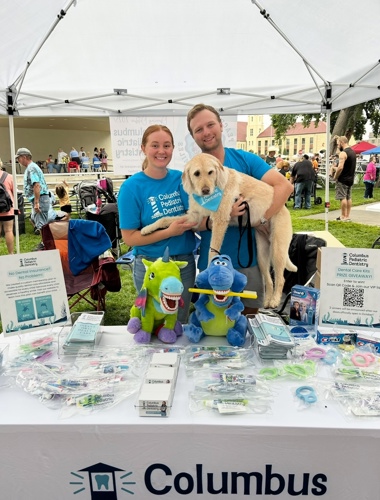
Before Kaitlynn Harvey, D.D.S., opened her pediatric dental practice in Columbus, Nebraska, many families in the area were driving an hour or more each way to receive specialty care for their children.
“I saw an opportunity to bring that care closer to home and become part of a community that values investing in its children,” said Dr. Harvey, who founded Columbus Pediatric Dentistry from the ground up in October 2025. It is the only pediatric dental practice within a roughly 50-mile radius of Columbus.
From improving access to care to enjoying a strong sense of community, busy schedules and the great outdoors, practicing in rural settings may offer opportunities dentists don’t realize at first, leading to a low supply of providers in those areas.
For example, in 2024, there were 32.7 dentists per 100,000 people in rural areas while urban areas saw nearly double that supply at 64.7, according to data from the ADA Health Policy Institute. This gap has increased for more than two decades and may continue to do so as younger dentists gravitate toward urban settings, according to HPI.
Having grown up in North Platte, Nebraska, which is about three hours from Columbus, Dr. Harvey always knew she wanted to open her own practice in a rural Nebraska community.
“From a business perspective, building a practice in a community with significant unmet need has allowed me to focus on creating services that directly benefit local families rather than competing in an already saturated market,” she said. “Every new program we introduce has the potential to fill a real gap in care.”
For children with disabilities and unique healthcare needs, especially those living in rural areas, finding providers prepared to address their challenges can be difficult. By offering various specialized services, Dr. Harvey’s practice is equipped to help bridge that gap and draws in patients from more than 50 miles away.
HPI data shows that among general dentists who own their practices, those in rural areas had higher average annual incomes than those in urban areas across years 2021 through 2025: about $272,000 versus $242,000, respectively. When adjusted for inflation, incomes for general dentist owners have trended downward over the years for both rural and urban dentists, but the decrease has been greater for urban dentists.
On average, rural private practices experienced an 11.9% increase in annual revenue per dentist between the combined periods of 2016-2020 and 2021-2025 while urban practices saw a 0.1% decrease, according to HPI.
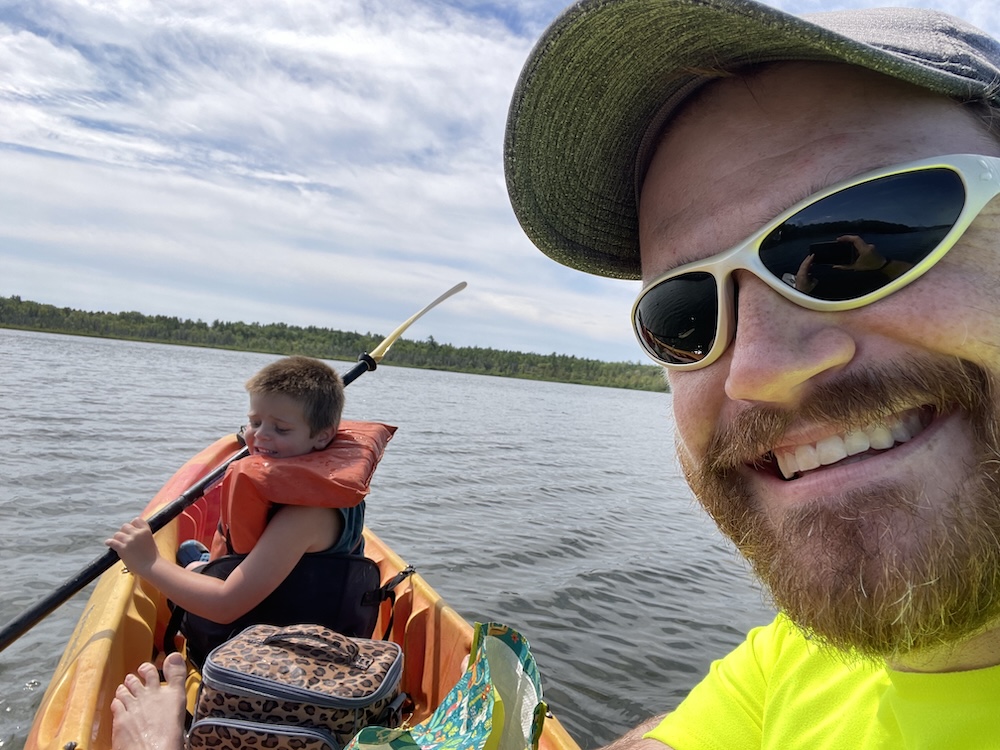
Like Dr. Harvey, Gabriel Holdwick, D.D.S., grew up in a rural town. Harbor Beach, Michigan — population: 1,604 — is nestled along the shores of Lake Huron, one of the Great Lakes, and offers countless recreational opportunities all year along, from boating to snowshoeing.
“I often tell students, ‘Many of the places you might like to go on vacation probably needs a dentist,’” said Dr. Holdwick, past chair of the ADA New Dentist Committee. “I am so fortunate that I get to live in a place where many people wish they could spend more time.”
After moving away for college and dental school, returning to Harbor Beach — where both sides of his family have lived for more than 150 years — certainly felt like coming home. In 2015, Dr. Holdwick purchased the practice of one of two dentists in town who was looking to retire. When the second dentist was preparing to do the same 10 years later, he purchased that practice as well and merged the two.
Before buying the second practice, Dr. Holdwick’s three operatories couldn’t keep up with patient demand as his practice grew, and by the end, he was booking out appointments seven months in advance. After the merger, he moved into the second practice’s six-operatory office.
“It has been incredibly positive for everyone, as it turned out,” Dr. Holdwick said. “Our patient wait times have decreased, my staff and myself have more flexibility in taking time off, the selling doctor was able to make a retirement exit strategy while still working a few days a week and, most importantly, the community didn’t lose access to the level of care they deserve.”
Many of Dr. Holdwick’s patients have been coming to one of the two practices for decades. That loyalty goes both ways.
“All of us who work at the office are truly serving our friends, family, neighbors and people we interact with outside of dentistry on a daily basis. That fosters a sense of investment that is special in rural communities,” he said.
Outside of being both a healthcare provider and a business owner in his role as dentist, Dr. Holdwick is involved in his local rotary club, chamber of commerce, museum board and church council. He also volunteers with various youth organizations and sponsors many charitable and community events.
“Someone was making those investments while I was growing up, and people all over the community feel a similar obligation because living and working in a small town is not anonymous,” he said. “The place you live is very personal when you share it with your staff and patients.”
Dr. Harvey, too, takes her role in the community seriously. She regularly participates in health fairs, school programs, festivals and other events, where she provides oral health education and encourages preventive care. She even serves as an assistant high school girls basketball coach.
“One of the things I enjoy most about rural Nebraska is the sense of connection,” she said. “Whether it's attending community events, supporting local businesses or spending time outdoors with my labradoodle, Nala, there's a genuine feeling that everyone is working together to help the community thrive.”
There is one person in particular who has helped Dr. Harvey fulfill her dream of opening a practice in rural Nebraska: her husband, Troy.
“Having a supportive spouse has made all the difference, and I truly believe that surrounding yourself with people who believe in your goals is one of the greatest gifts you can have as an entrepreneur,” she said.
For dental students or early career dentists who are considering where they want to practice, Dr. Harvey encourages them to “look beyond the size of the town and instead focus on the size of the impact they want to make.”
“For anyone considering rural practice, my advice is simple: Don't underestimate the opportunity,” she said. “Rural communities need passionate healthcare providers, and in return, they will support you, trust you and remind you why you chose this profession in the first place.”