Making the leap: Dentists share paths to practice ownership

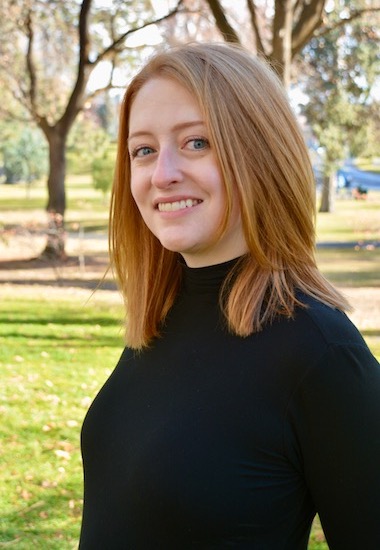
After years of working as an associate in private practices and dental support organizations, Amberena Fairlee, D.M.D., wasn’t sure practice ownership was still in her future. The setbacks had been demoralizing — sudden practice sales, philosophical differences with owners and disruptions caused by the COVID-19 pandemic. Working for a DSO-affiliated practice offered stability, benefits and flexibility as she balanced her career with raising three children.
“I always had this goal of returning to private practice. But I had been burned by so many private offices,” Dr. Fairlee said.
That changed last fall, when a colleague in her local dental community unexpectedly approached her about buying his practice in Bend, Oregon. She closed on the practice Jan. 2 and is now the sole owner.
“On paper, this is an absolutely horrible time to buy a practice for me because I’m so busy,” laughed Dr. Fairlee, the current president of the Oregon Dental Association. “But I was like, ‘You know, what the heck? I’ll talk to a bank and see if I even qualify for this.’ And everything in the past few months just fell into place.”
Dr. Fairlee, who graduated from dental school nine years ago, reflects a broader shift in dentistry. While the percentage of early-career dentists who are practice owners has declined significantly over time, data from the ADA Health Policy Institute shows recent dental school graduates are still becoming owners — just later in their careers.
In its research brief “Practice Ownership Trends in Dentistry: A New Look at Old Data,” released in June 2025, HPI examined practice ownership rates at various career intervals for dentists who graduated between 1991 and 2020. The data encompasses ownership in many different practice modalities, including DSO-affiliated practices.
At the earliest career stage, ownership rates are much lower for dentists who graduated between 2011 and 2020. At this stage, 21% of 2016-20 graduates and 33% of 2011-15 graduates owned practices, compared with 63% to 70% of dentists who graduated in 2010 or earlier.
This difference continues 10-14 years out of dental school, with more recent graduating cohorts showing successively lower ownership rates. While the ownership rates for dentists who graduated between 1991 and 2005 were all more than 80%, the rate for 2006-10 graduates was 72% and the rate for 2011-15 graduates was 58%.
However, this trend seems to diminish as dentists reach 15-19 years out of dental school. At this stage, the likelihood of owning a practice is not that different across generations. For example, 81% of 2006-10 graduates were practice owners compared with 89% of 1991-95 graduates.
When the opportunity to buy a practice arose, Dr. Fairlee moved quickly, assembling a team that included a lender, attorney and certified public accountant. The process was overall extremely amicable and smooth, she said.
One of the biggest challenges turned out not to be financing, but negotiating the lease, as the previous landlord wasn’t very technologically savvy or motivated to move as quickly as Dr. Fairlee and her team. But one month into ownership, she said the experience has been energizing.
“I get to choose the kind of workplace that my team gets to work in,” she said.
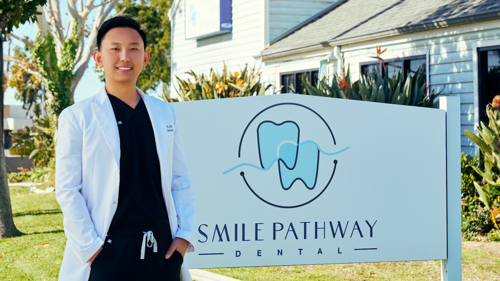
That desire for leadership also motivated Simon Wu, D.D.S., who spent several years working in DSO-affiliated practices before buying his own practice in Riverside, California, three years ago.
“I always had the mentality of maybe wanting to own my practice in the future,” he said.
To prepare for practice ownership, Dr. Wu immersed himself in conversations with colleagues as well as podcasts about entrepreneurship.
“I would say I learned about 80% of my knowledge from podcasts,” he said. “They invite different guest speakers, so there’s CPAs, lawyers, real estate people.”
Practice ownership is not for everyone, Dr. Wu said, noting that dentists who would rather focus on being a great clinician than take on the business side of dentistry might not be the best candidates for practice ownership. But for those who have that aspiration, it can be deeply rewarding.
“You have to wear so many different hats. You have to be a business owner while you’re a clinician, you’re basically IT in the office, sometimes you have to be a handyman — everything’s on you,” he said. “But at the end of the day, I wanted to be in full control of my future and my path.”
For both Dr. Fairlee and Dr. Wu, community support played a critical role. Dr. Wu emphasized the importance of being patient and flexible and making connections with those who have already made the leap into practice ownership. According to Dr. Fairlee, leaning on her surrounding dental community for help, tips and advice — from everything to equipment to payroll to general support — has been monumental.
“It’s been such a wonderful community to be a part of where they’ve been so open to help along the way. It’s been beautiful,” she said.