Facing imposter syndrome as a new dentist
‘Do I really know enough to be here?’
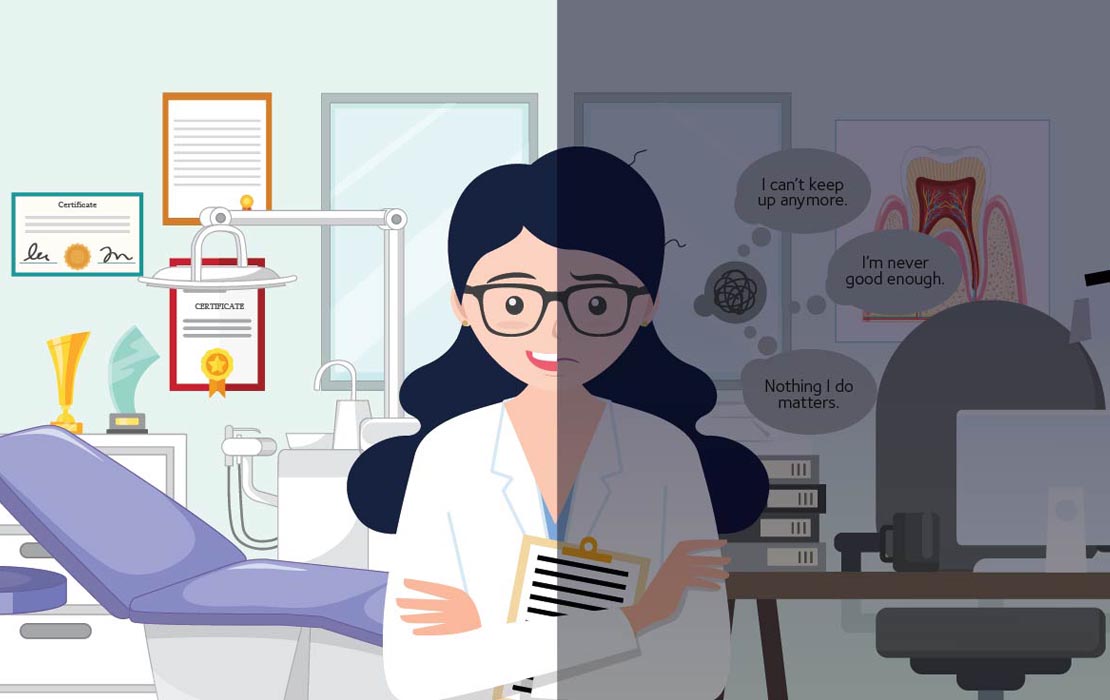
Mohita Sharma, D.D.S., first learned the term “imposter syndrome” when she came to the U.S. from India to complete a dental degree program for international students.
Although she didn’t previously have a name for it, that feeling of self-doubt was one she knew well, and being able to name what she felt was her first step toward addressing it.
“Knowing it was a common experience and not a personal flaw made it feel manageable,” said Dr. Sharma, who graduated from the University of Colorado School of Dental Medicine’s Advanced Standing International Student Program in 2023 and works as an associate dentist in California. She is also a member of the ADA House of Delegates and the ADA Foundation board of directors and a fellow of the International College of Dentists.
First identified in the 1970s, imposter syndrome is a psychological phenomenon in which successful individuals persistently feel like frauds, disbelieve in the legitimacy of their own success and have a fear of being exposed, according to Cleveland Clinic. Research has shown imposter syndrome may be more prevalent among healthcare professionals than other workers.
Dr. Sharma’s first experience with imposter syndrome was when she joined a busy private practice as the only associate after graduating from dental school in India.
“I would come home exhausted and spend the evenings reading about cases and making sure I was overprepared,” she said. “Despite that, I second-guessed my clinical decisions and kept wondering if I had missed a canal or under-contoured a restoration. Watching the practice owner finish a procedure much faster than I could left me feeling like I was not measuring up.”
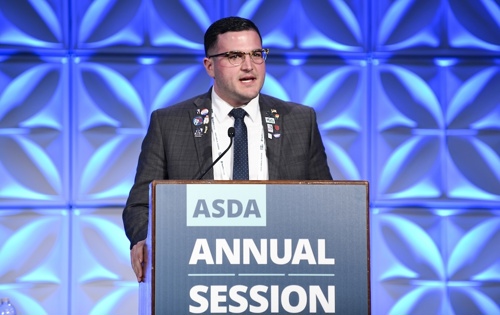
Joseph Manzella-Kane, D.D.S., remembers experiencing imposter syndrome as early as high school in some of his tougher Advanced Placement classes. Those feelings continued when completing predental courses in college and treating patients for the first time in dental school and residency.
“The circumstances change, but the underlying question is often the same: Do I really know enough to be here?” he said.
A 2021 graduate of Stony Brook University School of Dental Medicine in New York and an associate dentist in Connecticut, he sometimes doubts himself when patients or colleagues question his clinical judgment based solely on his age or years in practice.
“I recognize that experience matters and that I still have plenty to learn, but it’s difficult when my recommendations seem to carry less weight simply because I’m younger,” he said. “Those interactions can make me second-guess myself, even when I have a sound clinical basis for my recommendation.”
As the president-elect of the Connecticut State Dental Association, Dr. Manzella-Kane attended a meeting this summer with other state presidents-elect and was the youngest person there. It made him wonder whether he was too young to lead a state dental association, despite what he could bring to the table.
“In situations like these, I put pressure on myself to know everything I think someone in my position should know,” he said. “If I don’t immediately have an answer, I can start to feel ‘less than’ or ‘unqualified’ to occupy that seat.”
When this happens, Dr. Manzella-Kane takes two steps: First, he reminds himself that others experience the same doubts, even if they don’t openly talk about them. Reaching out to peers and having honest conversations with them can help put those thoughts into perspective.
Second, he reminds himself that someone’s confidence or experience doesn’t necessarily mean they have everything figured out. In some situations, he even finds he knows something the “experts” don’t.
“That helps me recognize that I have something to contribute, too,” said Dr. Manzella-Kane, who is an ADA delegate and a recipient of the ADA 10 Under 10 Award and the ADA Foundation’s Dr. David Whiston Leadership Award. “I can learn from the people around me while also bringing knowledge and experience that they can learn from.”
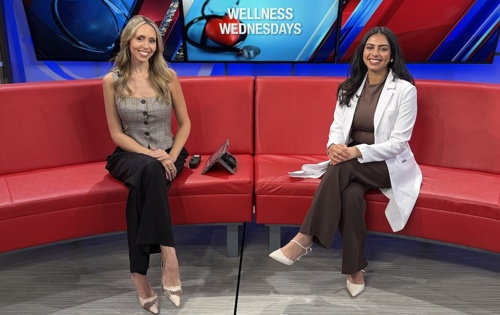
When Dr. Sharma doubts herself, she writes down the belief she has and looks for evidence to support it. Eight out of 10 times, she can’t find any. When she does, she seeks out guidance and works on that skill until it improves.
“Separating facts from feelings really puts things into perspective,” she said. “And no matter where you are in your journey, you will always be learning something new, and remember you are not the only one doing it.”
Both Drs. Sharma and Manzella-Kane say dentists may be more likely to experience imposter syndrome because of their tendency to be perfectionists.
“That mindset can serve us well clinically because we strive for excellence in our restorations, surgeries and treatments,” Dr. Manzella-Kane said. “But the pressure we put on ourselves to get everything right and know everything we might need to know can also leave us vulnerable to imposter syndrome.”
For other young dentists who may be experiencing this phenomenon, Dr. Sharma recommends they not only test those doubts but also keep a “brag list” of accomplishments on their phone to read on the hard days. She also suggests finding a trusted mentor to help them see their own accomplishments clearly as well as avoiding comparisons with others, especially those with decades of experience.
“Comparison is the thief of joy. I could not measure my first chapter against someone else’s 20th,” she said.
Dr. Manzella-Kane has a simple message for dentists who are just beginning their careers: You belong here.
“Just because you can’t do a certain procedure yet, don’t remember everything from dental school, or need to look into something a patient asks doesn’t mean you are a failure or don’t deserve to be a dentist. Recognizing your limits, asking for guidance and referring when appropriate are all part of exercising good clinical judgment,” he said. “You don’t have to know everything to make a thoughtful, well-supported decision. You can be a capable dentist today and still have plenty to learn tomorrow.”
To access wellness-related resources from the ADA, including a Dental Sound Bites podcast episode on imposter syndrome, visit ADA.org/wellness.