Q&A: 10 Under 10 honoree advocates for expanding dental care access for children with disabilities
‘Dentistry gives providers the ability to have a lasting effect on those we help’
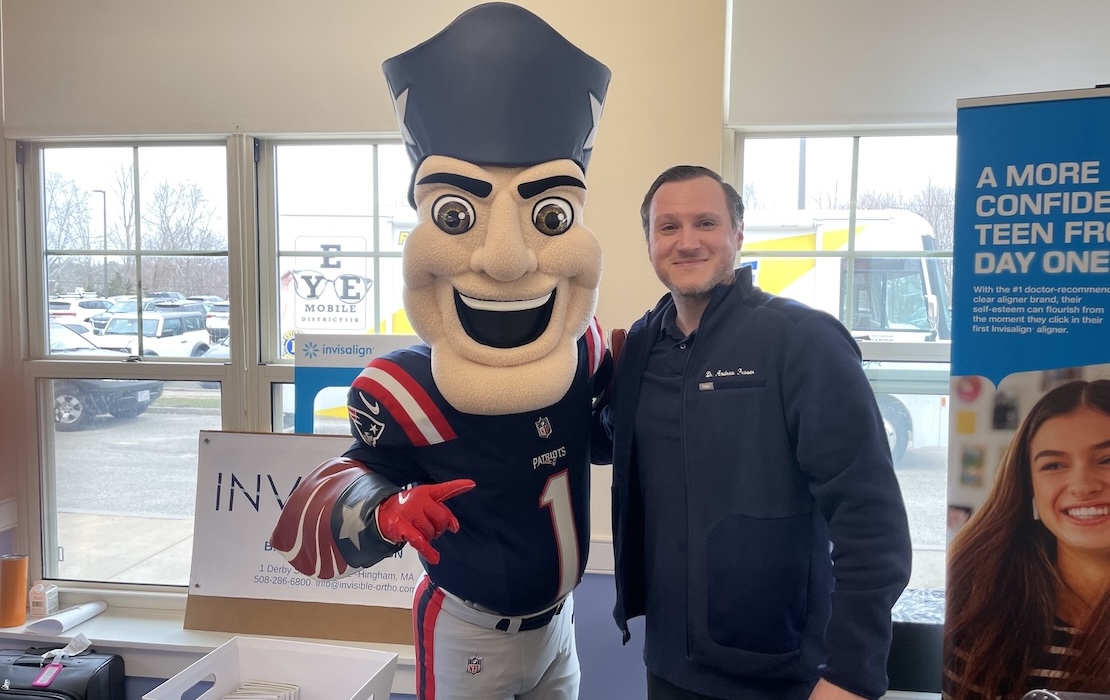
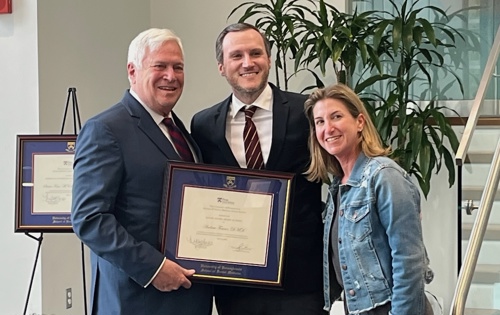
Andrew Fraser, D.M.D., of Cohasset, Massachusetts, one of this year’s recipients of the ADA 10 Under 10 Award, is an advocate for expanding access to oral healthcare for children with disabilities.
An orthodontist in private practice and a 2016 graduate of the University of Pennsylvania School of Dental Medicine, Dr. Fraser is a part-time faculty member in the dental school’s orthodontic program. At Penn Dental Medicine, he teaches residents about dental care for children with disabilities as well as practice management.
Dr. Fraser also guest lectures to other dental professionals on similar topics, including removing barriers to care for patients with disabilities in private practice settings. He works with autism groups, including national programs and local organizations in Massachusetts, by facilitating town hall-style forums to offer oral health advice to families, answer their dental-related questions and find ways to address the barriers they face in seeking oral care.
The ADA New Dentist Committee chose each of the 10 Under 10 awardees for demonstrating excellence and inspiring others in science, research and education; practice excellence; philanthropy; leadership; and advocacy. All 10 are ADA members who graduated from dental school less than 10 years ago. To learn more about the 10 Under 10 Award or the 2026 honorees, visit ADA.org/10under10.
Below is a Q&A with Dr. Fraser on his inspirations, future plans and more. He will receive a commemorative plaque and be recognized Oct. 9 at the ADA 2026 Scientific Session’s Changemakers Celebration in Indianapolis.
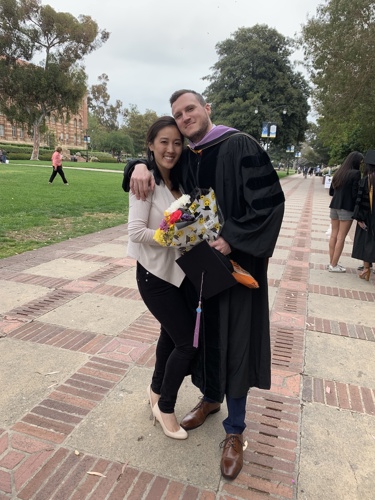
ADA: What inspired you to choose dentistry as your career, and what continues to motivate you today?
Dr. Fraser: Prior to dental school, I was an engineer and researcher in Boston. I was in a red blood lab at Beth Israel Deaconess Medical Center working with pediatric samples and felt a disconnect between patient care and clinical research. One of my mentors at the time was a pediatric dentist who recommended I investigate orthodontics, considering my engineering training. Once I began to shadow local dentists and orthodontists, I knew I had found my calling.
ADA: You were nominated by a peer for your contributions to the profession. Which accomplishment or impact are you most proud of, and why does it matter to you?
Dr. Fraser: I am most proud of the work I am doing with the autism community. Through the lectures and town hall-style meetings, we have been able to open doors for patients who never thought orthodontic treatment was possible. We have removed barriers for care and informed providers on what more we could be doing to accommodate the autism community. This serves as a model for working with all children with disabilities.
ADA: Looking ahead, what are you most excited to pursue or work toward in your career or within the dental profession?
Dr. Fraser: In addition to the rewarding patient work in private practice, I look forward to what we can accomplish as an orthodontic collective to enhance care for those with disabilities with digital technology. I hope we can remove barriers and open doors for others and continue this message, educating providers and supporting autistic people and their families. In addition, I also look forward to seeing future generations of those students I educate grow, graduate and continue this mission across the country and the world.
ADA: How has being an ADA member supported you — professionally or personally — throughout your career so far?
Dr. Fraser: Being an ADA member as a specialist has meant a lot to me throughout my career, serving as a reminder that there is an entire world of dentistry outside the specialty of orthodontics. Through various continuing education events and meetings, I have networked with other ADA members, learning about what drives them and sharing my mission as well. I am proud of the work of the ADA, and I am proud to be a member.
ADA: Looking back, what is something you wish you had known when you graduated from dental school?
Dr. Fraser: I wish I had known that the connections I had made at that time would stay with me throughout my life and help elevate my career to where it is today.
ADA: What message or encouragement would you share with a new dentist or dental student just starting their journey?
Dr. Fraser: For those just graduating, I want them to know that dentistry is an incredible profession that allows for supporting and advocating for entire communities. Dentistry gives providers the ability to have a lasting effect on those we help, which can be a tremendously rewarding experience.
ADA: In one sentence, how would you describe what dentistry means to you?
Dr. Fraser: From engineering principles to patient advocacy, dentistry was the accumulation of everything I was searching for in life, and it gave me true purpose improving the lives of others.
ADA: What does being recognized as an ADA 10 Under 10 Award recipient mean to you?
Dr. Fraser: Being selected as an ADA 10 Under 10 Award recipient means everything to me in that it shows the ADA’s support in our cause to remove barriers to dental care for those patients with disabilities.