NCOIL approves 'opt-in' amendment to Transparency in Dental Benefits Contracting Model Act
The National Council of Insurance Legislators, or NCOIL, voted to approve amendments to the 2020 Transparency in Dental Benefits Contracting Model Act, marking a key development for state dental societies that have advocated for changes to virtual credit card payment provisions.
At NCOIL’s Health Committee meeting, members adopted language that shifts virtual credit card-related payments from an “opt-out” to an “opt-in” system. Under the revised model, dental plans must obtain a dentist’s permission before issuing any payment method that carries associated fees, such as a virtual credit card. The amendment also specifies that a dentist’s selected payment method remains in place until the dentist proactively elects a different option.
New York Assemblymember Jarett Gandolfo, a sponsor for the amendments, said the sponsors were originally seeking more amendments but after some back and forth with the dental plans and other stakeholders, settled on virtual credit cards, which he called a “great step.”
“I don’t think it’s the end of changing the way things are done between dental plans and providers. But we got to a place that I think was fair, especially for these dental practices that have been stuck with these opt-out approaches that weren’t exactly beneficial to them,” Mr. Gandolfo said.
The ADA has supported these changes over the past year, stating that an opt-in approach provides greater transparency and allows dentists to avoid unwanted fees tied to certain electronic payment types. Dental plans opposed the amendment, and a last-minute proposal from a legislator sought to preserve the existing opt-out structure. The Health Committee ultimately rejected that proposal and approved the ADA-supported opt-in language.
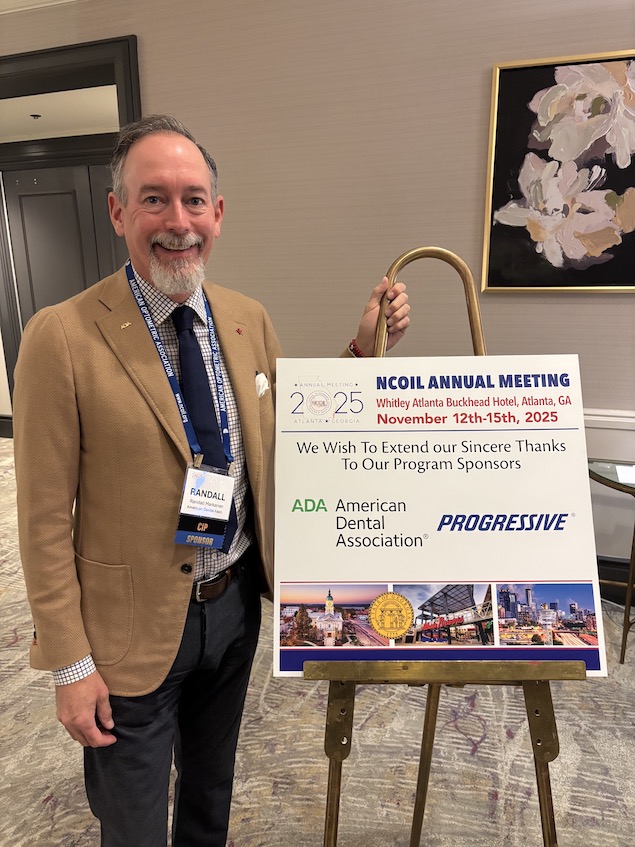
ADA Trustee Randall Markarian, D.M.D., attended the meeting to provide input from the dental community. He emphasized the permanence element to the new legislation, stating that previously, a clock would reset every time a dentist renewed their provider agreement with an insurer. The insurer would issue a new virtual credit card, and the provider would have to go through the entire opt-out process again. Under the new opt-in approach, the choice is permanent.
“I think it’s very important that when the ADA is engaging with any legislators, whether in their state or at a legislative conference like NCOIL, we have the volunteer leaders present to talk about how the laws, or in this case, the model legislation, can directly impact private practice dentists,” Dr. Markarian said. “It’s really rewarding to be able to give that perspective and have the legislators understand what’s actually happening with these laws.”
Arkansas Sen. Justin Boyd also sponsored the amendments. He highlighted the fact that several states have already enacted an opt-in approach to virtual credit cards and that there will likely be movement with the opt-in approach in more state legislatures.
“It’s encouraging to see this model legislation updated — proof that NCOIL’s work isn’t carved in stone but can evolve as states’ needs change. As more states look to regulate the insurance industry, they’ll look to what NCOIL has done here, and this sets an important precedent for continual improvement. With several states already adopting the opt-in approach to virtual credit cards, I hope even more legislatures follow suit," Mr. Boyd said.