Guide offers resources, data dentists can use to encourage HPV vaccination
April marks Oral Cancer Awareness Month
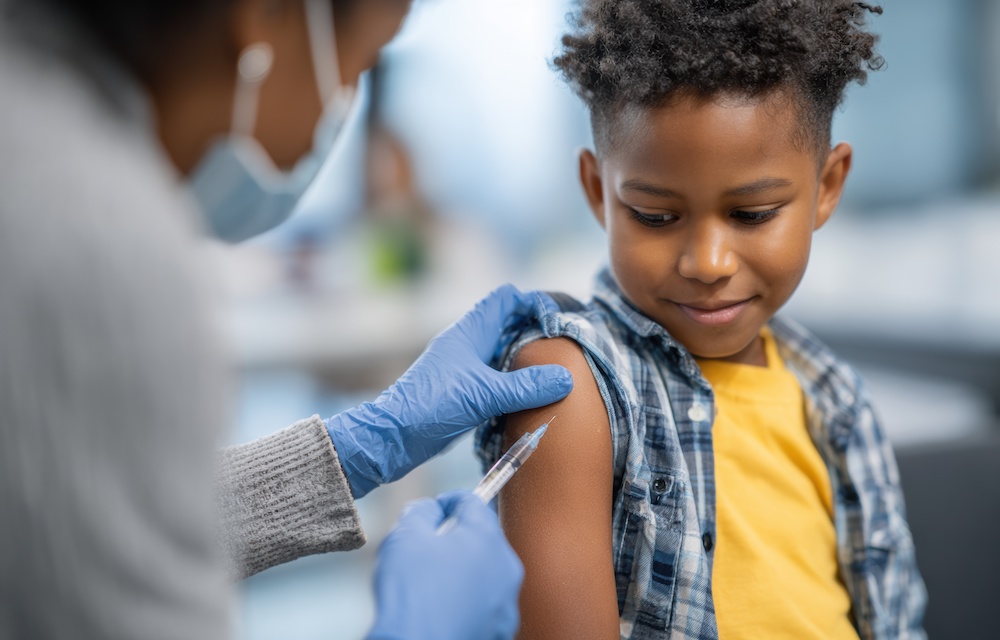
April is Oral Cancer Awareness Month, and the latest action guide from the National HPV Vaccination Roundtable outlines steps dentists can take to increase HPV vaccination and help prevent oropharyngeal cancer.
Published in January, Cancer Prevention Through HPV Vaccination: An Action Guide for Oral Health Professionals highlights the most recent data about HPV vaccination and HPV-positive oropharyngeal cancers. The American Dental Association contributed to its development as one of the member organizations of the American Cancer Society’s National HPV Vaccination Roundtable, a national coalition of more than 100 organizations working to raise HPV vaccination rates and prevent HPV cancers in the U.S. through coordinated leadership, strategic planning and advocacy.
The guide for oral health professionals is one of six developed and regularly updated by the roundtable for different clinical specialties.
“I am so proud to see organizations with the caliber of the ADA and the American Cancer Society come together to produce this free resource,” said ADA President Richard Rosato, D.M.D. “Because dentistry is equally dedicated to preventing disease, it is so important to amplify the message that HPV vaccination is a critical tool in preventing oropharyngeal cancer.”
Persistent high-risk HPV infection causes about 70% of oropharyngeal cancers, according to the American Cancer Society. Heavy tobacco and alcohol use are also risk factors for oropharyngeal cancer. However, HPV-positive oropharyngeal cancers are becoming more common in younger people with no history of tobacco or alcohol use — a trend highlighted in the guide.
“Oropharyngeal cancer is a horrendous life-threatening disease, and we now have a safe and effective cancer vaccine that can prevent tremendous pain and suffering in the next generation,” said Sharon Perlman, D.D.S., a member of both the roundtable’s Steering Committee and the ADA Council on Advocacy for Access and Prevention. “The action guide is a handy reference that provides evidence-based science, best practices on how we can easily and effectively promote and implement cancer prevention and vaccine counseling in our practices, and information on potentially relevant CDT codes.”
HPV vaccination can prevent more than 90% of cancers caused by HPV, according to the Centers for Disease Control and Prevention. The guide encourages dentists to educate themselves and their team members about best practices for routinely recommending that adolescents get the HPV vaccination series when they turn 9. These include leading with cancer prevention and not HPV, having regular conversations with guardians and offering “strong” recommendations.
Strong recommendations should highlight the importance of on-time vaccination for cancer prevention, emphasize the need to complete the vaccination series, and end with vaccination referrals or administration of the vaccine on the same day the decision to vaccinate a child is made, according to the guide.
The guide also advises dental offices to include questions about HPV vaccination status on patient health history forms to get the conversation started.
“Parents and guardians want the best for their children, but they are constantly bombarded with erroneous information about vaccines,” Dr. Perlman said. “Through anticipatory guidance, we are well positioned to actively educate families on the importance of obtaining and completing the series at age 9 and collaborate with our medical colleagues so they can administer the vaccine and refer back to us for comprehensive dental care. Together, we can work to prevent the rising incidence of oropharyngeal cancer.”
The guide also links to resources on performing intraoral and extraoral exams to screen for oral and oropharyngeal cancers, statements from oral health professional organizations on HPV vaccination, and more. For additional information and resources from the ADA on HPV vaccination and oropharyngeal cancer, visit its Oral Health Topics webpage on head and neck cancer.