Organized Dentistry Coalition calls for protection of federal oral health infrastructure
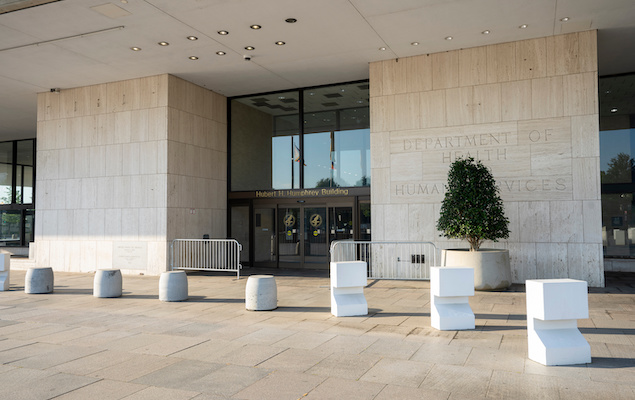
The Organized Dentistry Coalition, or ODC, representing multiple national dental organizations including the ADA, is calling for continued support of federal oral health programs within the U.S. Department of Health and Human Services. The coalition sent a letter April 30 addressed to Senate and House appropriations subcommittee leaders that emphasizes the importance of maintaining funding and infrastructure for oral health workforce development, research and prevention initiatives.
The coalition warned that proposed cuts in the president’s budget to HHS oral health programs could negatively affect public health outcomes.
“The President’s budget proposal includes cuts to the HHS oral health infrastructure that would put the health of Americans at risk and harm preventative health efforts,” the letter states, emphasizing that reductions in funding could weaken key efforts related to prevention, research and access to care.
The letter highlights the connection between oral health and overall health, noting associations between oral disease and systemic conditions such as cardiovascular disease, diabetes and pregnancy complications. It describes oral health as a critical component of overall health and points to its broader economic significance, citing a $478 billion annual impact on the nation’s economy.
Among the programs identified as priorities is the National Institute of Dental and Craniofacial Research, or NIDCR, part of the National Institutes of Health. The coalition underscored NIDCR’s role in advancing research on oral diseases, pain management and innovative treatments. It urged Congress to preserve funding and avoid policies that could limit research capacity, stating that such measures “would result in thousands of fewer grants being awarded and promising research proposals unable to be funded.”
The coalition also called attention to the Centers for Disease Control and Prevention’s Division of Oral Health, which supports state-level programs aimed at reducing oral disease. The letter notes the significant burden of untreated oral disease, including lost productivity and billions in associated costs.
Workforce development programs administered by the Health Resources and Services Administration are another focus of the letter. The coalition reports that HRSA dental programs supported more than 5,500 students and professionals during the 2022–2023 academic year, providing care to over one million patients.
“Continued support is critical to maintaining and growing this impact. The future of our nation’s health care workforce also depends on a robust faculty to guide them,” the coalition said.
The letter also highlights the Centers for Medicare and Medicaid Services' role in expanding access to oral health care through federal insurance programs. The coalition urged lawmakers to ensure continued leadership within CMS, recommending the maintenance of a chief dental officer position with sufficient authority and resources.
“This role should be supported by adequate staff capacity and cross-center coordination mechanisms so that oral health perspectives are systematically incorporated into rulemaking, guidance, demonstrations, oversight activities, quality measurement, health information technology, and stakeholder engagement,” the coalition said.