What to know about ADA Seal
Program has evaluated safety, efficacy of dental products for nearly 100 years
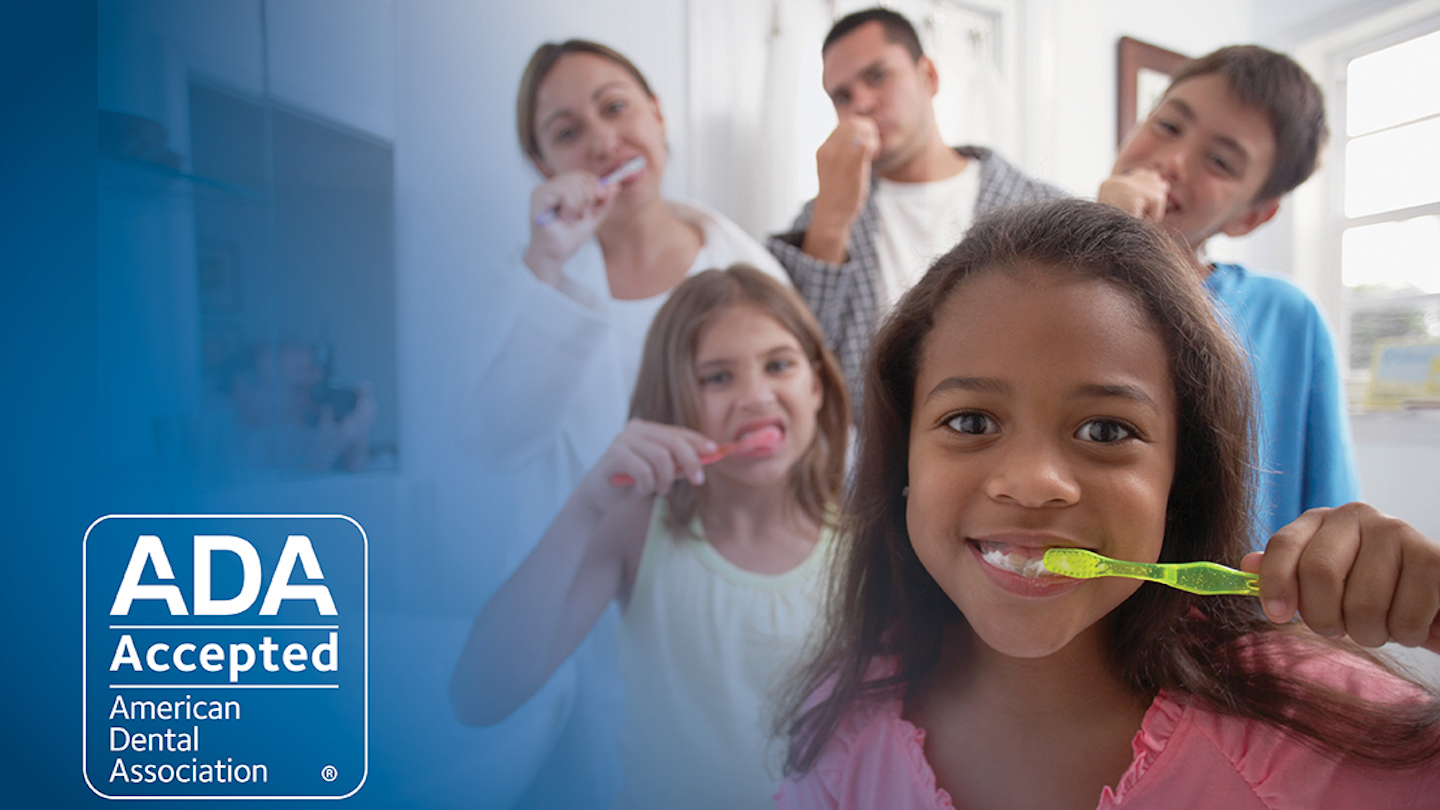
For nearly 100 years, the ADA Seal of Acceptance has helped consumers make informed decisions about dental products.
Since 1931, the program has evaluated the safety and efficacy of these products, which must undergo independent laboratory or clinical testing to demonstrate they meet requirements developed by the ADA Council on Scientific Affairs and live up to the specific Seal claims on their packages.
“The ADA awards the Seal as part of its ongoing mission to promote oral health,” said Jennifer Holtzman, D.D.S., chair of the Council on Scientific Affairs. “It is a widely recognized, important symbol of a dental product’s safety and effectiveness.”
More than 400 products have earned the Seal, including various brands of interdental cleaners, mouth rinses, toothbrushes, toothpaste, sugarless chewing gum and more.
In order to earn the Seal for a particular product, a company must supply laboratory or clinical study data supporting the product’s safety and efficacy, submit ingredient lists and pertinent product information, and provide evidence that manufacturing facilities meet Good Manufacturing Practices, a set of regulations that ensure manufactured products, including over-the-counter dental products, meet established quality standards. The ADA may conduct additional testing or ask the company to do so.
In some instances, the Seal program evaluates the efficacy of products when the Food and Drug Administration has not. Many over-the-counter dental products enter the market as cosmetics, which means the FDA does not assess their effectiveness at controlling oral diseases but rather focuses on whether the products cause harm, said Livia Tenuta, D.D.S., Ph.D., chair of the Council on Scientific Affairs’ Seal Subcommittee.
In addition to verifying the Seal-related claims on product packages, the ADA also confirms products’ other claims are fair and substantiated.
“Products are evaluated from a purely scientific standpoint. The Seal program is agnostic when it comes to the company or brand that submitted the product,” Dr. Tenuta said.
Members of the Council on Scientific Affairs use their expertise in fields such as dental materials, cariology, periodontology, pharmacology and microbiology to review submissions for adherence to product category requirements.
“Dental trends are changing fast in today’s digital world. With so many products online and in the dental aisle, it can be difficult for consumers to determine which products can help maintain good oral health and prevent disease and which ones might be ineffective or potentially harmful,” Dr. Tenuta said. “What doesn’t change is the scientific basis behind the Seal. The Seal was established by dentists to help patients easily identify products that have been evaluated by experts to be safe and effective, and it continues to do so today.”
Companies pay an administrative fee to help defray the cost of the review process. They do not pay to receive the Seal, which is typically awarded for a five-year period. Companies must renew to continue using the Seal after that period ends, and their product must continue to meet category requirements, which are reviewed by the Council on Scientific Affairs on a regular basis.
On occasion, the council may establish a new product category. To do so, it first conducts a thorough review to determine if the category provides a clear health benefit to patients and there is scientific evidence to support the evaluation of products that may be submitted to it.
All products that earn the Seal are listed at ADA.org/seal. The ADA does not sell them, but its website links to other sites where people may choose to purchase them. The ADA Seal of Acceptance Dental Professional Toolkit, also available through the Seal webpage, includes tools to promote the Seal to patients.
“Surveys have shown that consumers are 60% more likely to purchase a product with the ADA Seal,” Dr. Holtzman said. “The Seal is an opportunity for dentists to help patients develop healthy oral care habits that continue from dental chair to daily care.”