Dentists at the helm of civic leadership
How dentists can get involved — and why they should

Civic engagement has always mattered, but for dentistry the stakes are rising. From insurance reform and access to care to workforce shortages and reimbursement, many of the issues that shape day-to-day practice are decided in city halls, state legislatures and Congress. Dentists have a front-row view of how these policies play out in real life and that insight is powerful to the entire dental community.
That’s why dentists serving in government deserve attention and others to follow their lead. They’re showing how clinical expertise can translate into credible advocacy, better policy and more informed decisions that affect dentists and patients alike. Their experiences demonstrate that when dentists have a seat at the table, dentistry isn’t just talked about, it’s better understood.
In the weeks following the recent election, ADA News spoke with dentists who have taken roles at different levels of government, weaving their professional background into public service. They discussed how and why they stepped into policy work, what they’ve learned along the way, and how fellow dentists can channel their own influence.
Their message: involvement isn’t one-size-fits-all. Whether through organized dentistry, volunteer advocacy, advisory boards or elected office, there are multiple on-ramps to make a difference. And when dentists get involved at any scale, the profession is stronger, patients benefit and communities are better served.
From the operatory to local government
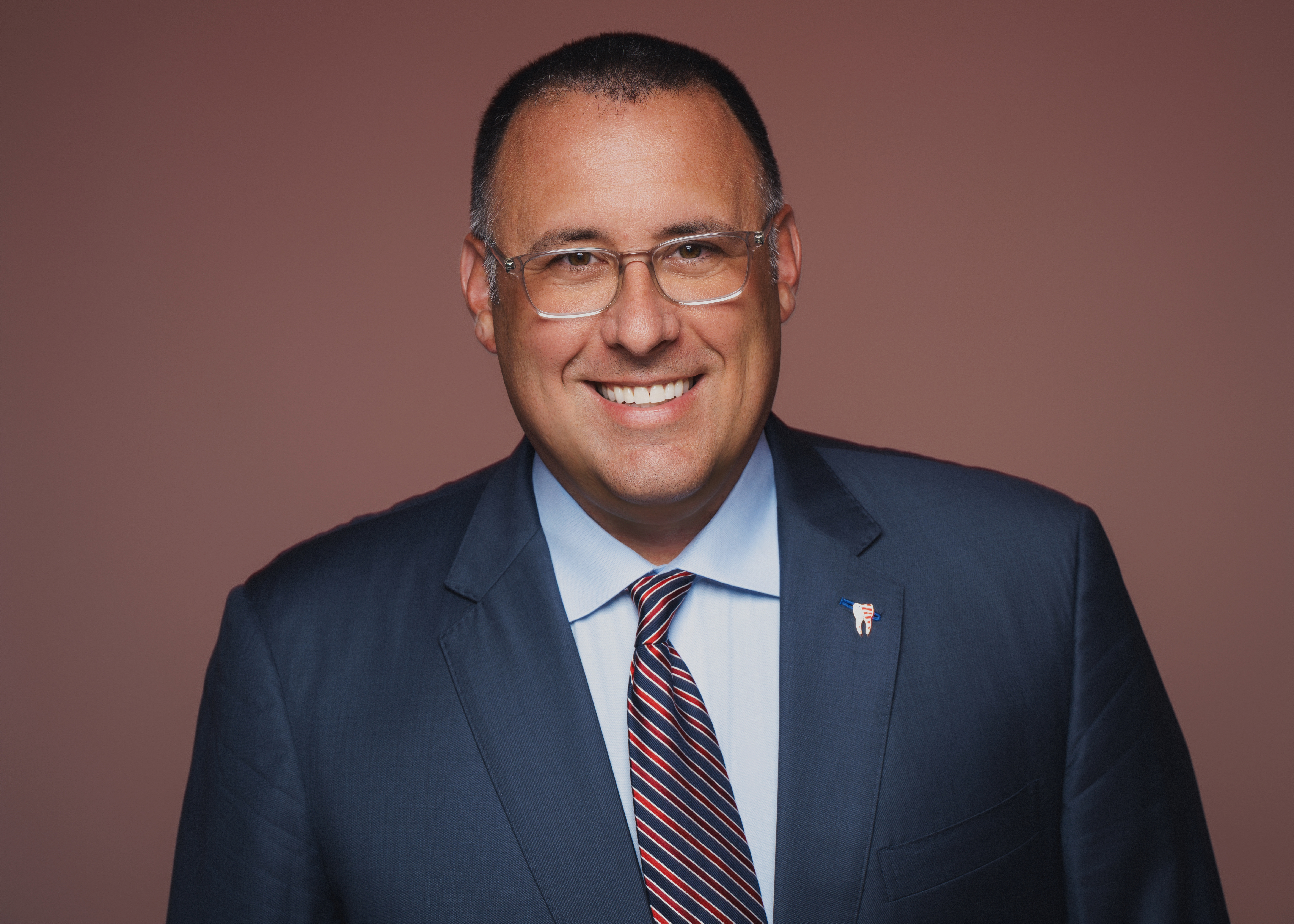
In November 2025, Kyle Bogan, D.D.S., president of the Ohio Dental Association, was elected to City Council in Delaware, Ohio. For Dr. Bogan, civic engagement grew organically out of both his early commitment to dentistry and his later involvement in organized dentistry.
After shadowing multiple dental specialists as a student, Dr. Bogan found his professional footing early. Years later, leadership roles within organized dentistry exposed him to the policymaking process and planted the seeds for broader civic involvement.
“Organized dentistry kind of lit the spark,” he said, noting that his work with the Ohio Dental Association and experiences attending the ADA’s Lobby Day gave him a firsthand look at how advocacy and legislation intersect.
That exposure led Dr. Bogan to ask how he could apply his experience more directly, particularly as he watched his rapidly growing city grapple with infrastructure, budgeting and development challenges. As a practicing dentist and small business owner, many of those issues felt familiar.
“We don’t really think about it a lot, but if you really step back, dentists wear lots of hats — especially practicing owners,” he said. “You’ve got to be the numbers person, you’ve got to be the marketing person, you’re customer relations.”
Those transferable skills became central to his campaign for City Council. Dr. Bogan said many of the city’s growing pains mirrored challenges he had already navigated in private practice. Unhealthy growth, for example, was an issue he saw the city experiencing and dealt with in his own small business.
Beyond business acumen, Dr. Bogan believes dentists bring an often-overlooked strength to public service: the ability to explain complex ideas clearly and calmly.
“I think in dentistry we’re really good at talking patients through a lot of things and helping to take something really complicated and explain it in a way people can understand,” he said, adding that municipal funding, budgets and taxes can feel just as opaque to residents as treatment plans do to patients.
Running for office, though, was a different beast. While Dr. Bogan anticipated a good deal of effort on his part, the reality of campaigning exceeded his expectations. Because local races hinge largely on personal connection and name recognition, the time commitment involved in running a successful campaign was exceptionally high, he said.
“It came down to knocking on doors,” he said. “I spent many, many weeks just knocking on doors, talking to neighbors and leaving information when I couldn’t.”
The election data revealed how important those conversations were. Dr. Bogan said he was the highest vote-getter in the areas where he knocked on every single door. He also said one-on-one conversations ultimately reinforced why civic engagement matters at the local level.
“You run for an office because [of what] you think the city needs, but at the end of the day, you’re elected to represent your constituents,” he said. “Hearing from them exactly what their pain points are is something I want to carry into actually serving.”
Service over spotlight at the state level
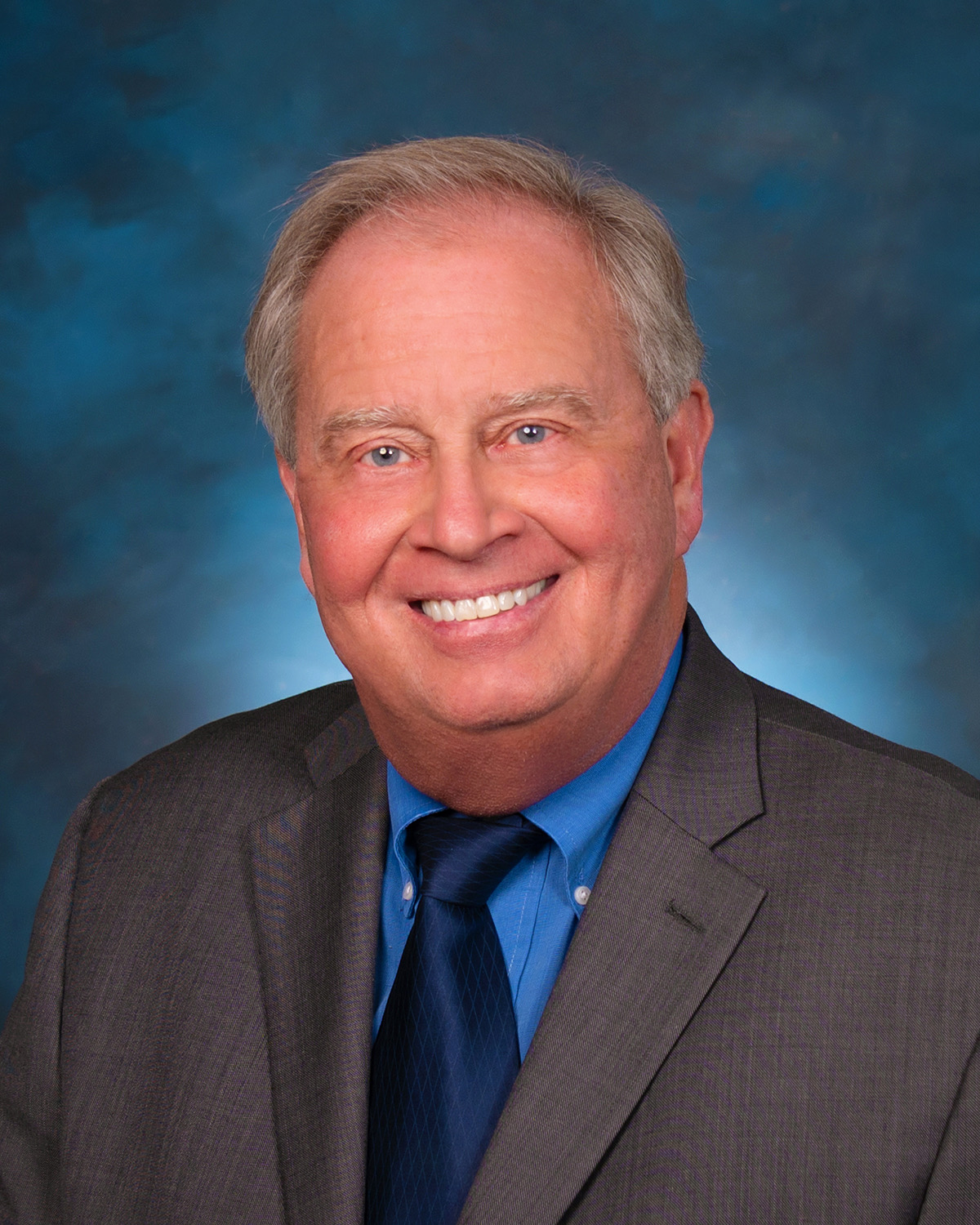
Kansas State Rep. Allen Reavis, D.D.S., traces both his career in dentistry and his path into public service back to a childhood shaped by health challenges and community involvement.
“I was interested in the health care field,” Dr. Reavis said.
He explained that a serious illness and extensive time in doctors’ offices as a child influenced his early direction. He shadowed physicians and dentists, ultimately choosing to pursue dentistry.
Dr. Reavis’ foray into politics came later, but the seeds of interest were also planted during childhood. Because of his illness — which involved having a lung removed at age 11 — Dr. Reavis couldn’t participate in sports as a kid, so he shifted his focus toward other activities like student government and volunteer groups.
Rather than jumping straight into elected office, Dr. Reavis took a gradual approach, serving on the Atchison, Kansas planning commission, then city commission, eventually becoming mayor before moving on to state government.
He also offered a pragmatic view of what progress looks like in government, noting that success isn’t always visible in passed legislation.
“It’s not always about what you get passed or what you get done,” he said. “Sometimes it’s about what you don’t get done. You stop a bill, you stop something from happening.”
Recently, he played a role in preventing legislation known as the “20% rule” from advancing in the House of Representatives. House Bill 2565 would have abolished a rule requiring dental practice owners to be present in the office at least 20% of the time it’s open, paving the way for investor-controlled practices to freely expand. The bill provides important guardrails meant to ensure practice owners are as aware and focused as possible on the needs of their patients and staff. It may not be as glamorous as getting something passed, he said, but it’s just as important.
As the only dentist in the Kansas state legislature, Dr. Reavis has become an informal authority on oral health policy — a role he says comes with both opportunity and responsibility.
“Whether you like it or not, you’re going to be the dental expert,” he said.
Now serving in the Kansas House of Representatives, Dr. Reavis is quick to caution that running for office should be driven by a desire to serve, not a single issue or personal agenda.
“I think it is [good] if it’s something you want to do as a service, if you want to be a servant or leader type,” he said. “I think if you wanted it because you have one cause you’re gonna fight for, die on the hill for, it’s probably not your thing.”
He also underscored that dentists don’t need to seek elected office to make a difference, emphasizing that there are many ways to become civically engaged. This could include attending the ADA’s annual Lobby Day, volunteering for a cause you’re passionate about, or even joining the Parent Teacher Association.
“If there’s somebody running for office who you like or whose cause you support, help with their campaign or be an intern or be an advisor to them,” Dr. Reavis said. “Just get to know the ropes and start getting your feet wet so you know how the system works.”
A steady rise through the ranks
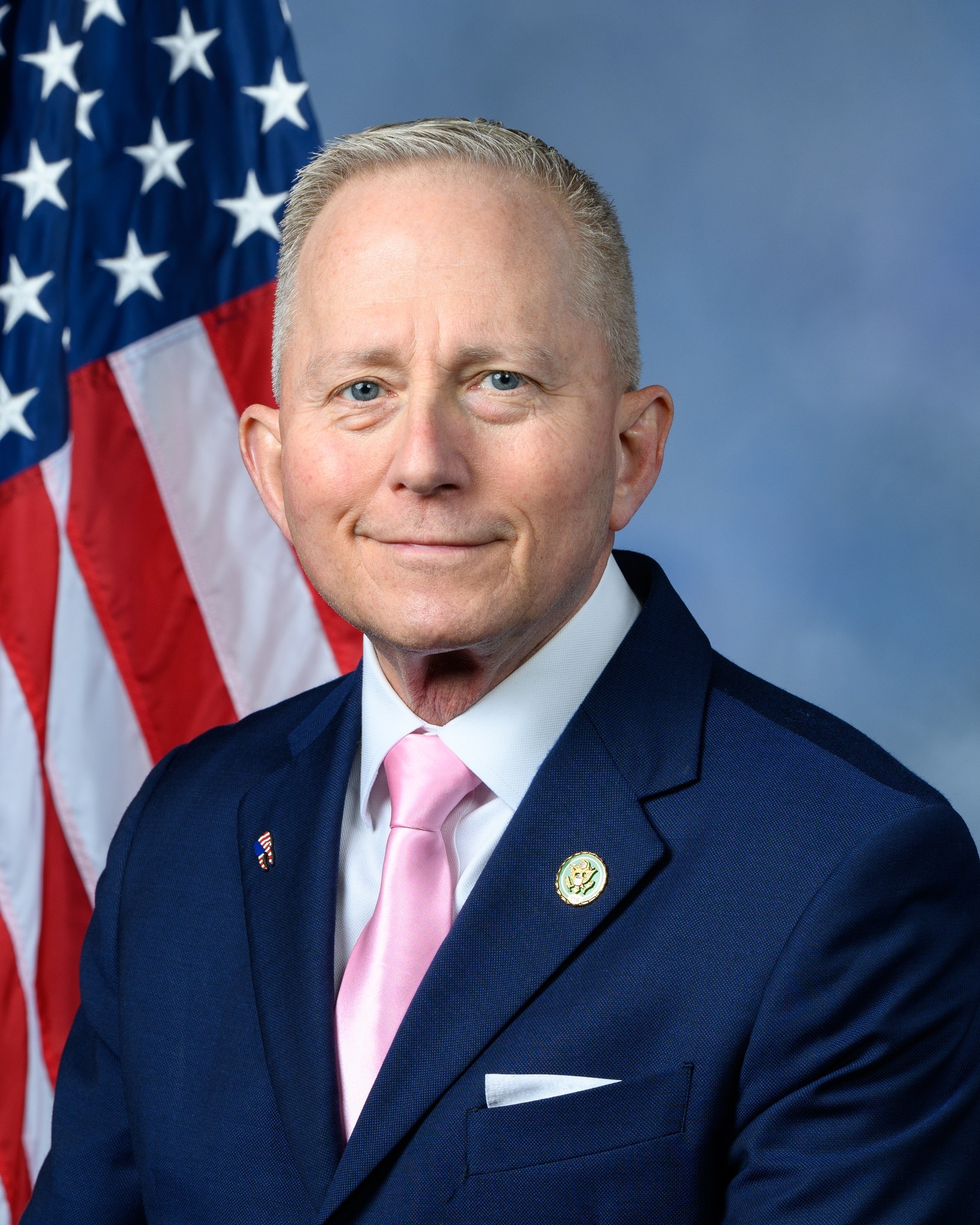
For Rep. Jeff Van Drew, D.M.D., R-N.J., public service was never the original plan — dentistry was.
“I never set out to be a politician,” Dr. Van Drew said. “I set out to be a dentist and serve my community.”
After decades of practicing dentistry in South Jersey, Dr. Van Drew gradually took on civic roles, beginning locally and advancing step by step. His journey into public service began at the local level, where he served his community as a fire commissioner, then as mayor, county commissioner, and later in the state legislature before coming to Congress serving in the U.S. House of Representatives for the past seven years.
That deliberate progression, Dr. Van Drew said, was essential to his development as a public servant. He worked his way through every level, careful not to skip any steps, and learned by listening and showing up for people.
He sees clear parallels between dentistry and governance, particularly when it comes to problem-solving and communication.
“You learn how to solve problems under pressure,” he said. “You learn how to talk to people who are nervous, frustrated or hurting and help them feel heard.”
For dentists considering their own path into civic engagement, Dr. Van Drew’s advice is straightforward.
“My advice to dentists is simple: get involved,” he said. “You already serve your communities every day.”
Preparing dentists for the next step
Many dentists are natural leaders, and their training and daily connection to patients uniquely position them to speak up for what matters. When dentists take part in civic life, whether through advocacy, appointed roles or elected office, they expand the impact of the profession beyond the operatory. Participation can drive meaningful change, protect patient access and keep dentistry’s voice strong where decisions are made. Ultimately, getting involved is about shaping the future rather than reacting to it, for the sake of colleagues, for the next generation of dentists and for the patients they serve.
For dentists who are interested in translating civic engagement into a campaign, the ADA offers campaign school, an annual workshop co-hosted by the American Dental Political Action Committee.
Campaign school features sessions on grassroots organizing, political messaging and polling tactics. ADA and ADPAC members who are currently running for office or considering running at any level are encouraged to attend the intensive workshop. The ADA also provides information about state-level elections and resources for dentists exploring opportunities in public service.
The ADA’s Lobby Day is another way to advocate for the dental profession and its patients. This yearly event offers member dentists the opportunity to make their voices heard and learn more about policies that affect oral health nationwide. Attendees hear from political subject matter experts and political analysts actively working with Congress to represent dentistry.
Members can use ADA resources to connect with their local and state dental societies to learn more about becoming civically engaged.