ADA summit examines future role of salivary biomarkers in dentistry
Stakeholders met in Chicago in mid-June to discuss the science of salivary biomarkers.
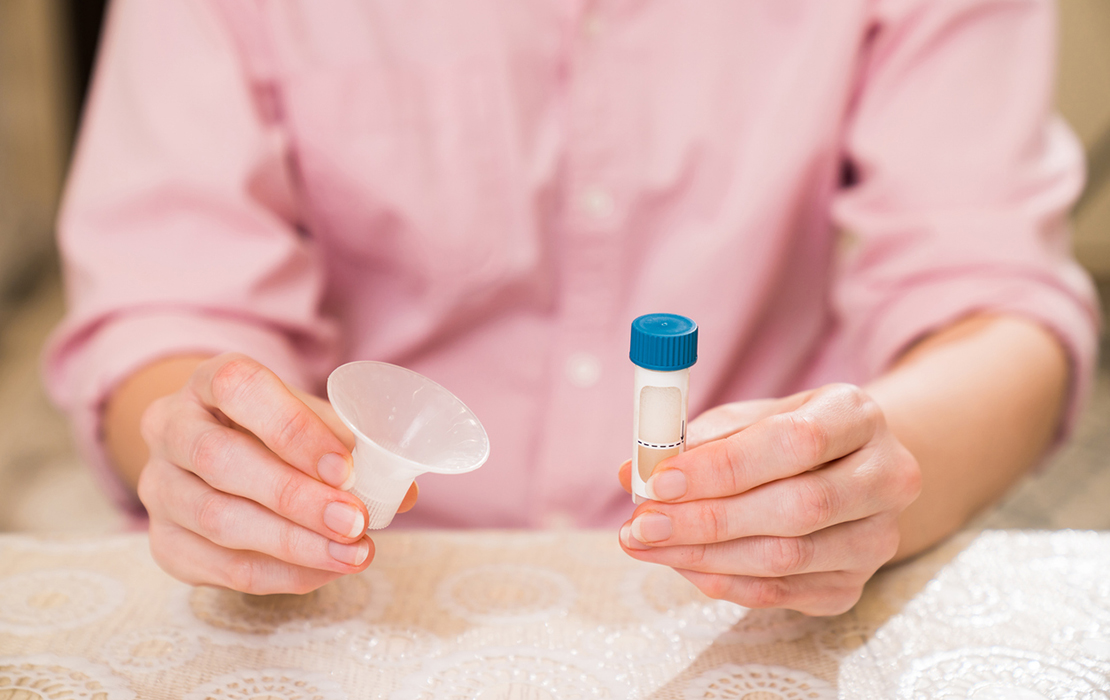
Dental researchers, clinicians, industry leaders and other stakeholders gathered at the American Dental Association in Chicago for a summit focused on the potential for saliva-based tools to transition from emerging science into routine dental practice.
The ADA Salivary Diagnostics Summit, held June 18, brought together participants from across dentistry, medicine, research, diagnostics, technology, investment and insurance to discuss the scientific, regulatory and clinical steps needed to support broader use of saliva-based testing.
Throughout the day that featured presentations along with small and large group discussions, the central question that emerged was not whether saliva has potential to support health and wellness, but how dentistry can develop standards, workflows and evidence-based guidance and regulatory approval pathways that allow dentists to use salivary testing in a consistent manner.
Débora Heller, D.D.S., Ph.D., M.Sc., immediate past president of the Salivary Research Group at the International Association for Dental, Oral, and Craniofacial Research, and vice president of the IADR Clinical & Translational Science Network, opened the meeting with a keynote presentation on salivary biology and diagnostics, said the field is at an inflection point.
“I want to tell you that the science is here,” Dr. Heller said. “And I want us together to move it from evidence to implementation.”
Dr. Heller said saliva plays a protective role in the oral cavity, including lubrication, acid neutralization, remineralization and support of the oral microbiome. She described saliva as “the most important protective biological factor” in the oral cavity.
She also said saliva can reflect broader health in real time and may offer dentists an opportunity to identify risk markers for oral and systemic conditions. Among the potential applications discussed during the meeting were periodontal disease, caries, xerostomia, cardiovascular disease, diabetes and Alzheimer’s disease.
“Finally, the technology has caught up with the biology,” Dr. Heller said.
Dr. Heller pointed to genomic, microbiome, transcriptomic, proteomic and metabolomic technologies as tools that have expanded the ability to analyze saliva. She also referenced saliva’s role during the COVID-19 pandemic as evidence that saliva-based diagnostics can be deployed at scale when there is an urgent need.
“When they had an urgent global need, salivary diagnostics delivered,” Dr. Heller said. “And what we have now is an urgent clinical need.”
Dr. Heller said medication use is one of the major drivers of hyposalivation and said more than 42% of medications have dry mouth as a side effect.
Without a salivary baseline, she said, dentists often remain on the back foot.
“We are still in the reactive care mode,” Dr. Heller said. “You have no baseline of your salivary function. You’re just waiting for symptoms to appear.”
Several participants said the profession needs to clarify the clinical purpose of salivary diagnostics before widespread adoption can occur. The discussion repeatedly returned to the need for validated tests, reference ranges, thresholds, clinical action pathways and clear guidance on how dentists should respond to test results.
Maria Ryan, D.D.S., Ph.D., vice president and chief dental officer at Colgate, said saliva-based tools could help dentistry participate more fully in precision medicine by adding objective biochemical information to clinical examinations. She said patient education, risk assessment, and treatment monitoring could all be supported by saliva-based testing.
The meeting ended with broad agreement that salivary diagnostics offer significant promise, but that the profession must define the use cases, validate the tests, develop clinical workflows and educate dentists and patients before the technology can be widely incorporated into care.