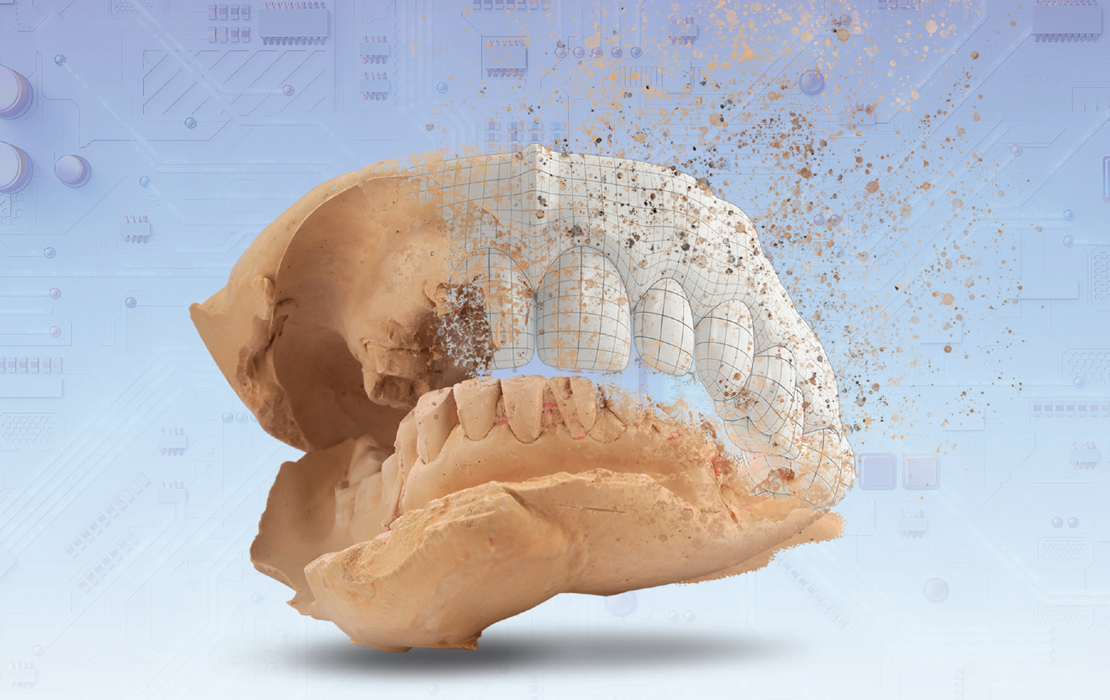
ADA calls for improved interoperability standards for dental imaging
The ADA submitted comments to the U.S. Department of Health and Human Services and the Office of the National Coordinator for Health Information Technology in response to a request for information on diagnostic imaging interoperability standards and certification.
The request sought input on ways to improve electronic access, exchange and use of diagnostic images across health care systems. The agency is examining the role of existing standards as well as operational barriers and potential certification approaches.
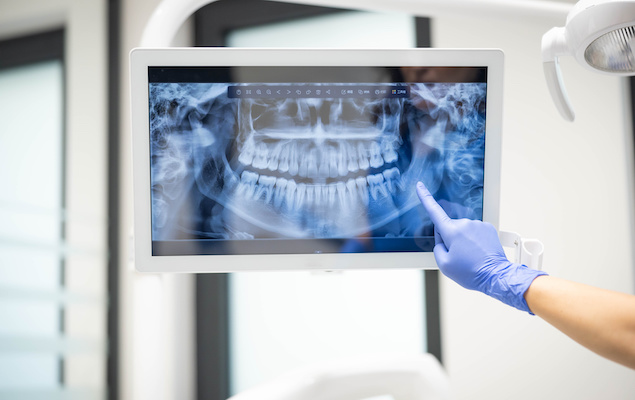
In its response, the Association emphasized that diagnostic imaging is foundational to dental care. Dentists routinely rely on intraoral and extraoral radiographs, cone-beam computed tomography scans and clinical photographs to assess oral structures, diagnose disease and guide treatment planning.
“Despite their centrality to patient care, dental diagnostic images are often stored in systems that operate independently of electronic dental records, restricting efficient exchange between dentists,” the ADA wrote. “Proprietary software limits accessibility and interoperability necessary to coordinate patient-centered care and lack of standardization increases the cost of providing care.”
To inform its comments, the ADA convened an information-gathering session with software vendors, dental imaging experts, clinicians, academic researchers and standards specialists.
Participants highlighted several challenges in the dental imaging ecosystem, including reliance on proprietary formats, inconsistent implementation of the Digital Imaging and Communications in Medicine standard, fragmented exchange pathways and the absence of consistent metadata and structured findings.
Because dentistry was largely excluded from federal incentives established under the Health Information Technology for Economic and Clinical Health Act, the ADA noted, many dental electronic health record and imaging systems did not adopt interoperability standards that became common in medical systems. As a result, dentists and patients often rely on manual methods to transfer images between providers.
According to the ADA, the lack of diagnostic imaging interoperability can degrade image quality and strip essential metadata, which may lead to repeat imaging, additional administrative burden and unnecessary radiation exposure. The Association recommended accelerating the transition from physical media to secure electronic image exchange.
The ADA also encouraged policymakers to support standards-based interoperability using dental-specific guidance developed through the ADA Standards program. Among them are ANSI/ADA Standard No. 1114, which provides requirements for effective use of the Digital Imaging and Communications in Medicine standard in dentistry, and ANSI/ADA Standard No. 1110, which provides a validation dataset for image analysis systems that use artificial intelligence.
The Association recommended policies that promote open export specifications and interoperable application programming interfaces so images and associated metadata can move between systems without data loss.
In addition, the ADA suggested that federal regulators consider establishing dental-specific certification criteria within the ONC Health IT Certification Program and expanding the United States Core Data for Interoperability to include dental imaging data classes. Such changes, the Association said, would allow patients to electronically access and share dental diagnostic images through certified health information technology.
“The ADA’s recommendations aim to strengthen imaging interoperability in ways that meaningfully improve the patient experience by ensuring that dental images follow patients seamlessly, support timely care, and eliminate the burden of transporting physical media,” the ADA concluded. “By advancing standards-based exchange and reducing the fragmentation that drives repeat imaging, we believe our recommendations will help avoid unnecessary costs for patients, providers, and the healthcare system while supporting more accurate diagnosis and better health outcomes.”