ADA, other groups offer resources to help dentists support patients with disabilities, caregivers
November marks National Family Caregivers Month
Sixty-three million U.S. adults — nearly one-quarter of the adult population — serve as family caregivers, providing ongoing care to adults or children with medical conditions or disabilities, according to Caregiving in the US 2025, a comprehensive report on family caregiving in America by the National Alliance for Caregiving and AARP.
Caregiving tasks could include helping a family member with daily oral care. To help provide caregivers with practical, easy-to-understand guidance, the University of Pennsylvania School of Dental Medicine launched a Caregiver Dental Hub in late October ahead of National Family Caregivers Month in November.
The hub offers instructional videos, caregiver stories and other practical resources on choosing oral health products, preventing tooth decay, making healthier food choices, communicating with dental professionals, reducing stress during daily brushing and more. It also includes a disability-friendly provider directory.
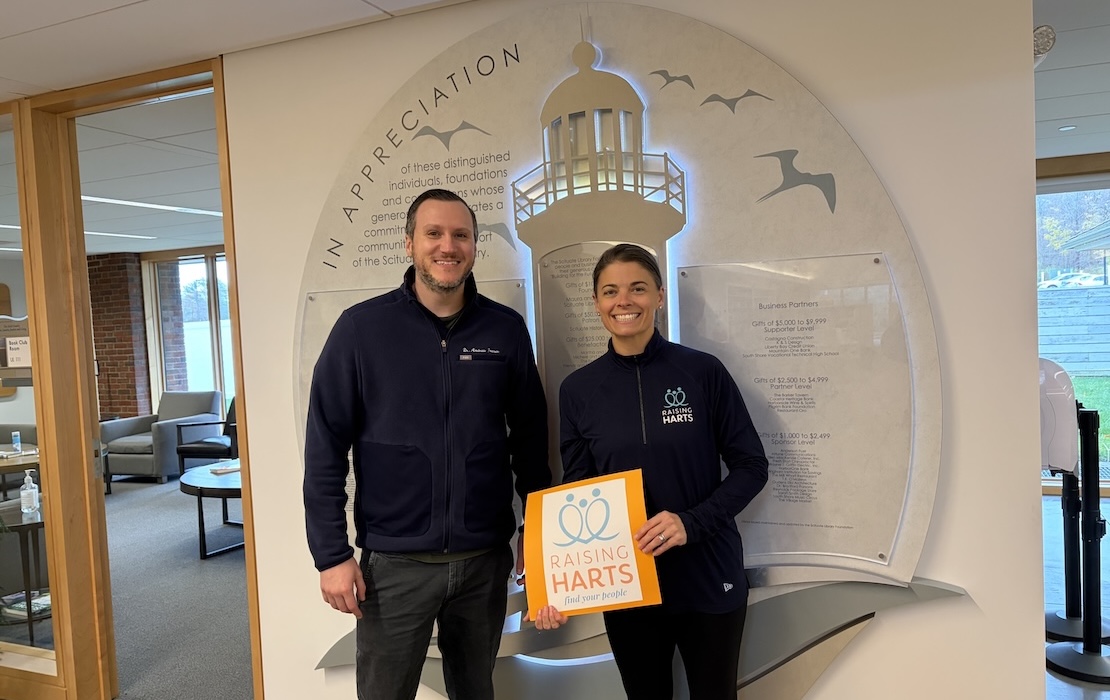
Massachusetts orthodontist Andrew Fraser, D.M.D., understands the important role dentists can play in supporting caregivers. He regularly facilitates town hall-style forums with local and national autism groups to offer oral health advice to families.
“We must remember the dental care and education we provide is important not only to the patient but to the patient’s support system as well. Providing a welcoming and safe environment where caregivers can take part in dental visits and feel engaged in the process can ensure optimal at-home care,” said Dr. Fraser, one of the recipients of this year’s ADA 10 Under 10 Award.
In addition to working in private practice, the 2016 graduate of Penn Dental Medicine is a part-time faculty member in the dental school’s orthodontic program, where he teaches residents about dental care for children with intellectual and developmental disabilities. Outside of the dental school, he serves as a guest lecturer to other dental professionals on similar topics, including removing barriers to care for patients with disabilities in private practice settings.
“When educating dentists on working with patients with disabilities, I recommend they take initiative to understand their patient’s entire ecosystem and offer the opportunity to engage the patient in the way that works best for them,” Dr. Fraser said. “This expands the conversation beyond just the traditional dental visit and keeps the patient’s overall oral health the center of focus.”
Kadambari Rawal, B.D.S., a member of the ADA Council on Advocacy for Access and Prevention and clinical associate professor in the division of geriatric dental medicine at Boston University Henry M. Goldman School of Dental Medicine, said dentists can play a critical role in empowering caregivers of patients with intellectual and developmental disabilities by transitioning from passive chairside lectures to collaborative, hands-on and individualized preventive care planning.
“Since these patients often navigate distinct neuromuscular, sensory or cognitive barriers, dental teams can bridge the gap between the clinic and home through customized live operatory demonstrations, risk-based recall intervals and tailored recommendations, such as alternative brushing positions for airway safety, adaptive toothbrush grips, dysphagia-safe fluoridation and task segmentation,” said Dr. Rawal, who has provided full-mouth rehabilitation and comprehensive dental services to older adults and patients with disabilities for more than 15 years as part of the Boston University Dental Health Center's faculty practice.
Dr. Rawal said printable patient education tools from the Special Olympics Special Smiles resource hub and visual guides from the Special Smiles Caregiver's Guide to Good Oral Health for Special Olympics Athletes can also help dentists educate patients and caregivers.
The ADA’s Mouth Healthy website includes a topics page on dental patients with a disability, which provides information on common dental risk factors and the dentist’s role in accommodating patients with disabilities. It also directs patients and caregivers to additional resources to help them locate dentists who specialize in providing dental care to people with disabilities, including Dental Lifeline Network and the Special Care Dentistry Association.
Dental Lifeline Network is a nonprofit organization that provides free, comprehensive dental care to people with disabilities, seniors and others in need of medically necessary care. Patients who are interested in receiving care and dentists who are interesting in volunteering with the organization can visit dentallifeline.org to apply.
The Special Care Dentistry Association offers webinars, fellowships and other opportunities for dentists interested in learning more about special care dentistry and becoming experts in that field.
In October, the ADA House of Delegates adopted a new policy to help support dentists in providing dental care to people with disabilities. Some of the action items address enhancing disability-related training in educational programs for dental students and encouraging the development of continuing education for dentists and specialists. It also tasks ADA agencies with supporting initiatives, legislation and opportunities to improve access to oral healthcare for people with disabilities.
Dr. Fraser encourages dentists to seek out CE and training to help them provide an appropriate dental care environment for patients with disabilities, whether it’s through private clinical lectures, university seminars or support groups for those with disabilities.
“As dental providers, it is our duty to provide the highest standard of care for all patients of the community,” he said. “In the end, our goal is to deliver an experience that makes all patients feel welcomed, recognized and part of the practice. Working with patients with disabilities may require modifying routine care to better suit the needs of the individual. It must be an ongoing conversation where we keep raising our hands to continuously elevate the care we provide.”
Dr. Rawal also encourages dentists to train the entire dental team in proper etiquette and patient-centric communication, offer pre-visit sensory desensitization tours for patients with disabilities, and implement accommodations such as wheelchair-accessible operatories, quiet scheduling hours and visual communication aids.
“Every dentist plays an essential role in advancing health equity by ensuring people with disabilities have access to a welcoming, competent dental home, as this population experiences disproportionately high rates of untreated caries, periodontal disease and edentulism due to various barriers to care,” she said. “Several patients with intellectual, developmental or physical disabilities can be safely and effectively treated in a general practice setting without hospital-based sedation. Expanding clinician readiness directly reduces emergency room reliance and prevents avoidable oral pain.”