HHS awards $51M to expand dental care for children with neurodevelopmental disorders

The U.S. Department of Health and Human Services announced $51 million in funding to 28 health centers to improve access to dental care for children with neurodevelopmental disorders, including autism spectrum disorder, Down syndrome, cerebral palsy and intellectual disabilities.
The funding, announced through the Health Resources and Services Administration, will support efforts to expand preventive and other dental services, strengthen workforce training and develop approaches to care that could be implemented in other communities.
The awards are part of HRSA’s Quality Improvement Fund — Improving Access to Dental Services for Children with Neurodevelopmental Disorders initiative. Each recipient will receive up to $2 million to implement and evaluate approaches to improving dental care for this patient population.
“Families of children with neurodevelopmental disorders can face significant challenges finding dental care that meets their child’s needs,” said HRSA Administrator Tom Engels. “A parent shouldn’t have to struggle to find a dental provider who is prepared to care for their child. This investment will help health centers build the skills, services, and approaches needed to make dental care more accessible and responsive to children and families — and help us learn what works so successful models can reach more communities.”
According to HHS, children with neurodevelopmental disorders may experience sensory sensitivities, anxiety, mobility challenges and other factors that make routine dental visits more difficult. They may also face increased risks of oral health problems, including tooth decay and gum disease.
Two HRSA-funded health centers receiving funding, La Clinica in California and Salud Family Health in Colorado, plan to use the grants to expand training opportunities and develop services tailored to patients with neurodevelopmental disorders.
Ariane Terlet, D.D.S., chief dental officer at La Clinica and a general dentist practicing in Berkeley, California, said one of the biggest challenges is ensuring patients with neurodevelopmental disorders can continue receiving dental care as they grow older.
Dr. Terlet said pediatric dentists may continue treating these patients into early adulthood, but general dentists often lack the training and resources necessary to accommodate their needs.
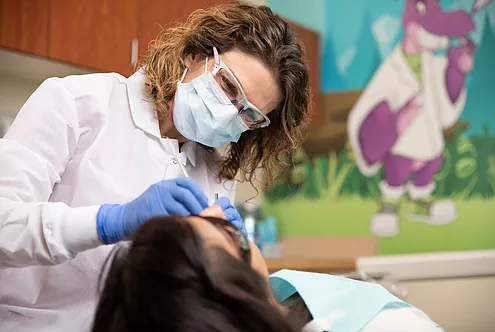
La Clinica plans to use the funding to expand workforce training through its dental clinics and residency programs, with an emphasis on preparing general dentists to care for patients with special healthcare needs.
“So what we’re trying to do primarily is create a pipeline of properly trained dental providers that hopefully will choose to devote a significant commitment of their career to serving the special needs population,” Dr. Terlet said.
The health center also plans to develop training curricula that could be implemented across its clinics and provide opportunities for dental students to gain experience treating patients with neurodevelopmental disorders.
“This grant is great because this is something we’ve been working towards and the funding will help us tremendously in terms of creating partnerships,” Dr. Terlet said. “I think we’re going to develop a curriculum that we can then apply to our other clinics.”
Another component of La Clinica’s plans involves establishing a virtual dental home model to help connect patients and caregivers with dental services. Dr. Terlet said the organization used telehealth during the COVID-19 pandemic to provide oral hygiene guidance to families and hopes to build on that experience.
In Colorado, Salud Family Health plans to use its funding to train dental staff, modify clinical spaces and expand access to care for children with neurodevelopmental disorders.
Ethan Kerns, D.D.S., chief dental officer at Salud Family Health, said the organization operates 10 dental clinics and provides dental care to more than 36,000 patients annually.
Dr. Kerns said the health center plans to train about 100 dental staff members, including dentists, dental hygienists, dental assistants and front-desk employees, in sensory-aligned care and communication.
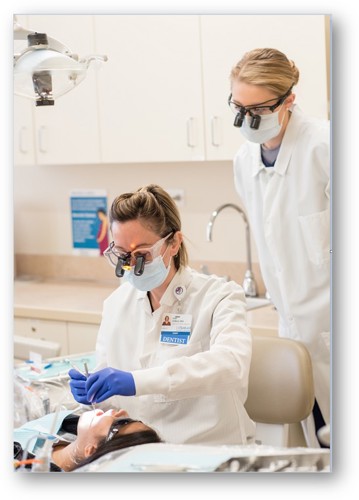
“We wanted to train the whole team, and we wanted to train them in sensory-aligned care and communication,” Dr. Kerns said. “We wanted to make them more comfortable to treat this [populationwith neurodevelopmental disorders], so it’s not just the clinical team, it’s the whole team.”
Salud also plans to make its dental clinics more accommodating through modifications to treatment rooms and waiting areas, including noise-reducing features and sensory-friendly resources.
The health center intends to develop videos introducing children and teenagers to its clinics, staff and appointment processes. According to Dr. Kerns, community partners emphasized that helping patients understand the dental environment before their visits could make the experience easier.
Salud also plans to offer desensitization visits, allowing children to become familiar with the dental office and staff before receiving treatment.
In addition, the organization hopes to expand its existing virtual dental home approach to community facilities serving children with autism, providing some services in familiar settings while connecting patients with dental clinics for additional care.
Dr. Kerns said improving access to preventive care is a priority because children with neurodevelopmental disorders may have higher rates of untreated dental disease and may not receive care until they experience pain or trauma.
“I’m excited for this grant,” Dr. Kerns said. “I think it’s going to help our patients quite a bit.”
According to HHS, all 28 grant recipients will participate in collaborative learning and evaluation activities to help identify effective, sustainable approaches that could be replicated at other health centers.
The funding builds on HRSA’s Health Center Program, which provides comprehensive primary care to more than 32.7 million people at more than 16,600 service sites nationwide, according to the agency.