
Accuracy of digital approach in detection of middle ear effusion
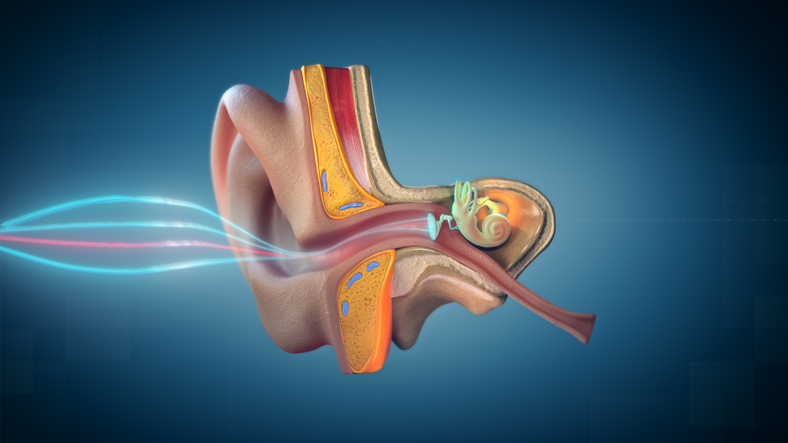
A machine-learning approach could help clinicians digitally assess the tympanic membrane.
In a case-control study published in the American Journal of Otolaryngology, a researcher used a video otoscope-equipped smartphone to collect a total of 111 images of the tympanic membrane among two groups: patients who had otitis media with effusion (n = 57) and a control group (n = 54). Two otolaryngologists provided consensus assessments of the participants’ tympanic membranes. The researcher then trained and tested the accuracy of a supervised machine-learning model.
During the training phase, the model demonstrated sensitivity, specificity and accuracy rates of 96%, 81% and 89%, respectively. These metrics decreased to 87%, 74% and 81%, respectively, during the testing phase.
As a result of the positive findings, the researcher indicated that the machine-learning approach could help support the evaluation of middle ear effusion in patients with or without otitis media with effusion.
Read more: American Journal of Otolaryngology
The article presented here is intended to inform you about the broader media perspective on dentistry, regardless of its alignment with the ADA's stance. It is important to note that publication of an article does not imply the ADA's endorsement, agreement, or promotion of its content.