
AI-assisted assessment could prevent early childhood dental decay
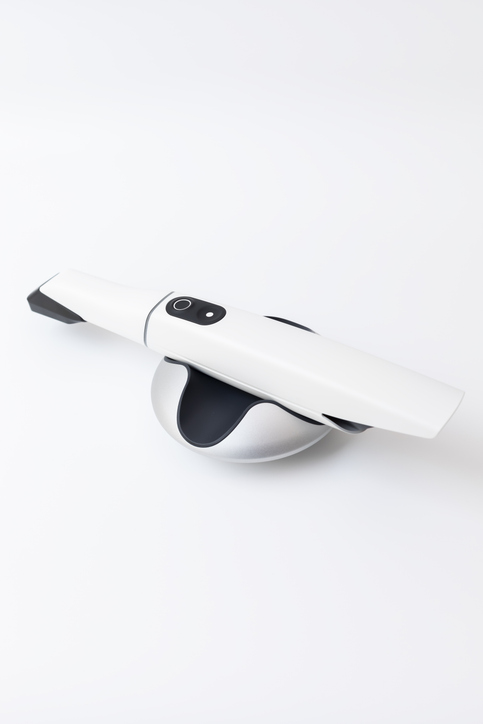
A novel intraoral scanner using 3D artificial intelligence technology could help identify tooth decay in young children.
The scanner is wireless, resembles an electric toothbrush and works by recording how fluorescent light reflects off the surfaces of the teeth and gums. An AI program then uses the images to recreate a 3D model offering a complete picture of a patient’s oral health that can be analyzed in person or remotely.
Among more than 200 children, researchers found that 38% and 18% of them presented with signs of dental decay and enamel defects, respectively. Compared with standard visual examinations, the intraoral scanner was found to be comparable in identifying dental damage.
Because dental decay is prevalent in early childhood and can impact many facets of a child’s life — including eating, sleeping and learning — the novel intraoral scanner could represent an opportunity to detect dental decay at earlier stages and more comprehensively assess the dental health of younger pediatric patients. Despite the positive results of the study, larger studies are needed to determine how the technology could be implemented into clinical practice.
Read more: Murdoch Children’s Research Institute
The article presented here is intended to inform you about the broader media perspective on dentistry, regardless of its alignment with the ADA's stance. It is important to note that publication of an article does not imply the ADA's endorsement, agreement, or promotion of its content.