
Ancient dental specimens reveal earliest use of neuroactive drugs
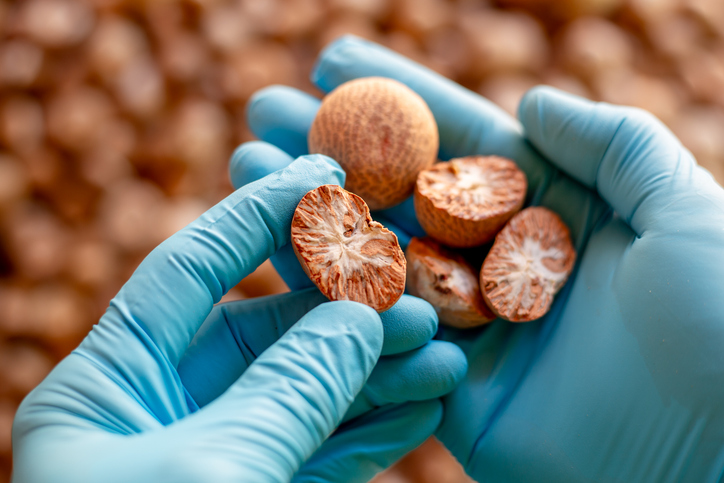
Experts have uncovered some of the earliest signs of drug use in ancient dental specimens. While betel nut chewing is a relatively common method of releasing the neuroactive alkaloid arecoline, researchers have been uncertain how far back in human history individuals took part in using the drug.
In a study published in Science Advances, researchers analyzed the skeletal remains of two individuals from the island of Sulawesi, Indonesia, dating back to 16,000 to 25,000 years ago — prior to the advent of agricultural society — and conducted biomolecular analyses of their teeth.
The researchers determined that the state of the teeth indicated that the individuals had been repeatedly sucking on intact betel nuts rather than chewing them. They also discovered that sucking on the betel nut for prolonged periods of time exposed them to arecoline in a similar but milder capacity to the modern-day method of masticating the processed betel nut with slaked lime paste to help facilitate the release of arecoline.
The experts detailed that the teeth — which belonged to hunter-gatherers and were collected from the Leang Bulu Bettue cave in a 2017 excavation — had deep grooves on the molars signifying consistent use and demonstrated the trace presence of arecoline, according to a news article from The New York Times reporting on the findings. The researchers noted that the dental wear patterns present on the surfaces of the specimens’ teeth revealed a potential dependence on the betel nuts. They speculated that sucking on the betel nut was initiated to relieve pain, but ended up wearing down their teeth, exacerbating their dental pain and creating a greater need for pain relief that led to addiction.
The experts emphasized the social and cultural significance of the betel nut that surpasses the whittling down of betel nut chewing to drug use. “The plant is important for our cultures and our society, our social practices and ritual ceremony,” they underscored, adding that the study contributes “valuable insights into the long-term relationships between people, plants and culturally transmitted traditions.”
The results of the study suggested that the use of neuroactive compounds may be prehistoric in origin and could shift the understanding of human drug use and the management of addiction. The researchers hypothesized that the onset of agriculture may have introduced individuals residing on Sulawesi to slaked lime about 4,000 years ago; however, further research is needed to better understand the transition from betel nut sucking to the chewing of betel quid as seen today.
Read more: The New York Times
The article presented here is intended to inform you about the broader media perspective on dentistry, regardless of its alignment with the ADA's stance. It is important to note that publication of an article does not imply the ADA's endorsement, agreement, or promotion of its content.