
Balancing social media use: Recognizing mental health harms, misinformation
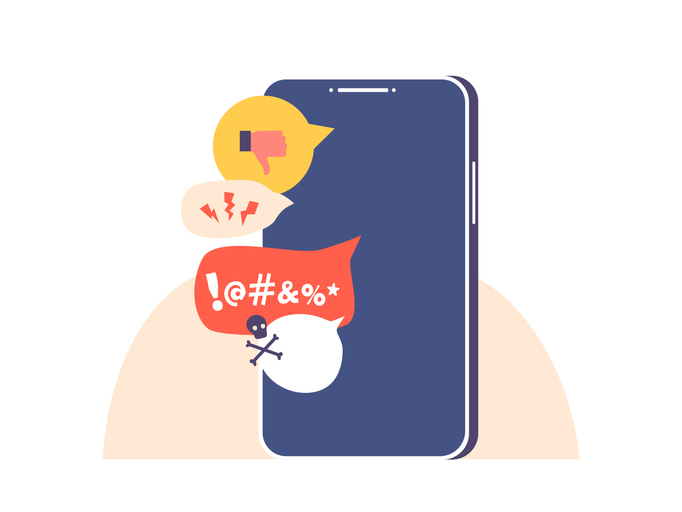
Experts warned patients about the mental health and social risks associated with social media and provided tips for healthy use of the platforms.
Recent research has found that excessive social media use can expose individuals to online bullying, worsen symptoms of anxiety and depression, cause social isolation and body image insecurities as well as lead to mindsets ranging from fear of missing out to apathy to suicidal ideation, according to a news article from the American Medical Association. Social media is also engineered to take advantage of the dopamine reward system, resulting in addiction, disengagement from reality and desensitization.
Exposure to misinformation is also a risk of social media use. The experts emphasized that individuals often mistake advice on social media for credible medical information. When confronted with these types of medical information, individuals were encouraged to investigate the source of the claims before trusting and spreading misinformation.
The experts stressed that a large majority of U.S. youth may use social media, and those aged 12 to 17 years reported using the platforms for four hours or more per day. They noted that social media can produce positive outcomes when used for social connectivity, identity management or agency. However, because many social media interactions involve comparisons, constant exposure to celebrities, influencers or friends who appear to live more desirable lifestyles could trigger or perpetuate negative feelings. The experts explained that social media posts often involve a staged reality in which individuals present their best selves and most positive experiences — key details that younger social media users may have difficulty recognizing because of their reliance on reward- and emotion-based decision-making. In addition, social media users who have preexisting mental health issues, belong to racial or ethnic minority groups, identify as LGBTQ+ or have disabilities may be more susceptible to the negative effects of social media.
To mitigate the potential harm of social media use, the experts advised individuals to avoid viewing social media up to an hour prior to sleeping to limit blue-light exposure, limit their or their children’s screen time or take breaks from social media, establish technology-free zones, and enroll their children in programs that help them build awareness of the mental health risks associated with social media and develop coping skills.
Read more: AMA
The article presented here is intended to inform you about the broader media perspective on dentistry, regardless of its alignment with the ADA's stance. It is important to note that publication of an article does not imply the ADA's endorsement, agreement, or promotion of its content.