
Barriers to dental care: Transportation, dental shortages
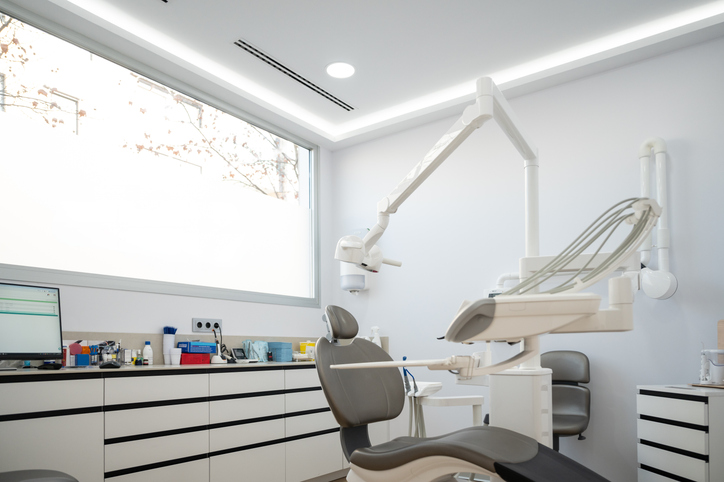
Patients residing in rural areas may face challenges accessing oral health care.
Recent research has indicated that transportation may play a large role in interfering with oral health care, according to a news article from The Harvard Gazette. For instance, a study published in SSM-Population Health revealed that disparities in the distribution of dental clinics and public transportation could limit millions of patients’ ability to visit a dentist and receive timely care. Investigators found that patients who experienced extreme social deprivation and resided in rural areas were more likely to have to travel farther for care.
Experts cited in the article stressed that patients who live in dental deserts often delay or forgo care because of distance-related issues, especially those with little to no access to transportation or requiring specialized oral healthcare. Compared with urban areas, rural areas may have the same number of practicing dentists serving nearly three times the population. They noted that patients in states such as Alaska, Montana, Nevada, North Dakota, South Dakota and Wyoming may have to travel over one hour to visit dental clinics.
In addition, access to dental specialists — including pediatric dentists, endodontists, oral and maxillofacial surgeons, orthodontists, periodontists and prosthodontists — was even more limited. Despite the more extensive offerings of many general dentists practicing in rural areas, they cannot always compensate for the needs of patients who require more complex and specialized care. The number of prosthodontists per patient may be the lowest of any of the examined dental specialties in rural areas, presenting further challenges in accessing care among older adults for whom limited or no prosthodontic care could adversely affect their health and quality of life.
The experts also identified factors contributing to where dentists decide to practice, including career experience, dental field and financial pressures. They stated that while early career and general dentists were more likely to practice in rural areas, those later in their careers or in specialized dental fields were less likely to practice in these settings. Further, those with higher levels of student loan debt had a lower likelihood of practicing in rural areas compared with those who had moderate levels of debt.
The experts highlighted the critical need to address the barriers to dental care and devise strategies to expand access in underserved patient populations.
Read more: The Harvard Gazette
The article presented here is intended to inform you about the broader media perspective on dentistry, regardless of its alignment with the ADA's stance. It is important to note that publication of an article does not imply the ADA's endorsement, agreement, or promotion of its content.