
Biological pathway from mouth to heart: How oral bacteria may be linked to calcific aortic valve stenosis
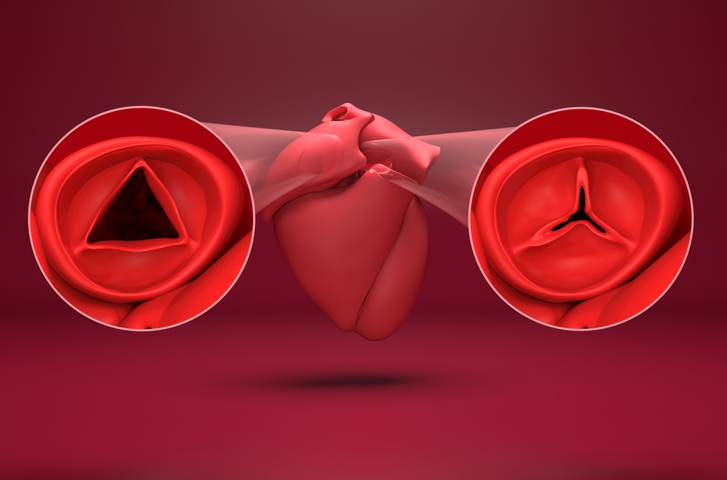
Periodontal disease-related oral pathogenic bacteria could facilitate the buildup of calcium in the heart’s aortic valve, according to a news article from Oral Health.
Calcific aortic valve stenosis — one of the most severe types of heart valve diseases — is characterized by calcification of the aortic valve and the restriction of blood flow throughout the body, according to a news release from the American Heart Association. The disease causes symptoms such as fatigue, shortness of breath, fainting and chest pain as it progresses and can lead to heart failure and premature mortality. However, early aortic calcification may be asymptomatic.
In preliminary findings presented at the AHA’s Basic Cardiovascular Sciences Scientific Sessions 2026, researchers explored the relationship between Porphyromonas gingivalis bacteria and valve disease by measuring levels of the bacteria in human cardiac valve tissue obtained from patients with either calcific aortic valve stenosis or other valve diseases who underwent valve replacement surgery. Prior studies have found a correlation between P. gingivalis and cardiovascular diseases such as atherosclerosis and coronary artery disease.
The researchers found higher amounts of P. gingivalis in the valves of patients who had calcific aortic valve stenosis compared with the valves of those who had other valve diseases. The researchers subsequently conducted a mouse model involving exposure to live or heat-inactivated P. gingivalis to better assess how the bacteria may play a role in the development of calcific aortic valve stenosis. They detailed that the mice that were exposed to the live bacteria presented with higher levels of bacterial accumulation in the aortic valves, greater calcification and signs of the disease such as activation of the inflammatory interleukin-1 beta protein in the cells of the aortic valve. When treated with prophylactic antibiotics, the mice exhibited attenuation of aortic calcification. Further, genetically removing Il-1 beta helped reduce the adverse effects of P. gingivalis.
The researchers underscored that periodontal treatment targeting systemic inflammation could potentially benefit patients at risk of experiencing aortic calcification. Because there are currently no treatment options for calcific aortic valve stenosis, the findings could inspire the development of a novel therapeutic approach to prevent or manage the condition. Nonetheless, they stressed that the results of their study are currently not peer reviewed and have not been validated in human trials.
Read more: Oral Health
The article presented here is intended to inform you about the broader media perspective on dentistry, regardless of its alignment with the ADA's stance. It is important to note that publication of an article does not imply the ADA's endorsement, agreement, or promotion of its content.