
Building savings as oil prices rise, inflation continues
Experts provided tips to save money as many Americans brace for rising prices.
A recent survey from The Harris Poll asked more than 2,000 U.S. adults to respond to questions regarding their 2026 financial outlook, readiness and expectations. The survey found that 30% and 32% of respondents noted feeling stressed or anxious about their 2026 finances, 33% of them stated they wouldn’t be able to financially tolerate a recession, 46% of them plan to save for emergencies, 51% of them forecasted rising prices for goods and services in 2026, and 57% of them are looking to partake in a risky financial move.
The experts cited in a news article from NerdWallet suggested strategies individuals can use to budget their money, manage debt, reduce monthly expenses, limit costs while shopping and traveling and seek alternative sources of entertainment.
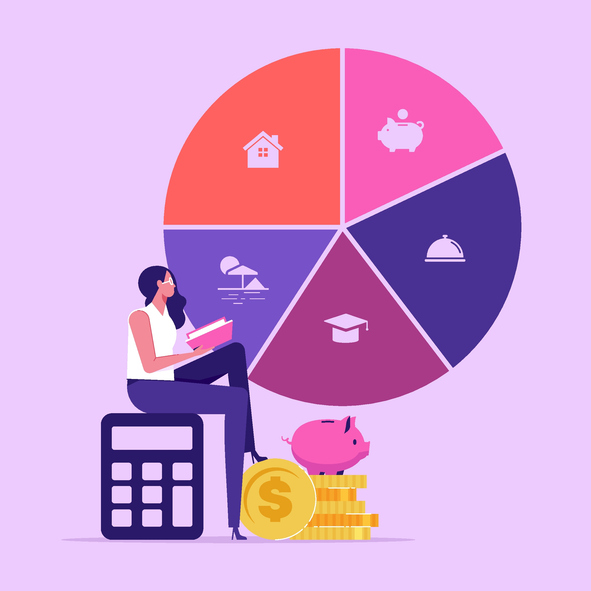
For instance, creating a monthly budget and setting savings goals can help individuals establish spending priorities, track cash flow and ensure that realistic goals are being met. Individuals can follow established methods to allocate proportions of their monthly income toward necessities, wants and savings. Taking advantage of high-yield savings accounts can also grow funds with higher-than-average interest rates.
To repay debt, the experts suggested that those who are able to make extra payments toward the principal balance can speed up the repayment process and save money on their paid interest long term. Some student loan borrowers can also switch to different plans that factor in income or family size to reduce monthly repayments as well as enroll in autopay to apply an interest rate discount. Home or car owners who refinance their mortgages or auto loans may also owe less per month if the interest rates are lower and can save over the life of their loans.
The experts advised individuals whose finances are tight to consider cleaning up their monthly expenses by sticking to a shopping list, avoiding impulsive purchases, downgrading a cable or internet plan, canceling unnecessary streaming services or other subscriptions, optimizing energy usage in the home with more energy-efficient appliances and habits, stocking up on household supplies by buying in bulk or when items are on sale, and timing major purchases with sales periods.
Further, finding other ways to save money — such as stacking errands to limit gas use, skipping dining out and meal delivery in favor of home-cooked meals, and taking advantage of free events — can create more space in the budget and boost savings.
Read more: NerdWallet
The article presented here is intended to inform you about the broader media perspective on dentistry, regardless of its alignment with the ADA's stance. It is important to note that publication of an article does not imply the ADA's endorsement, agreement, or promotion of its content.