
Case report: Resolving erythromelalgia with semaglutide
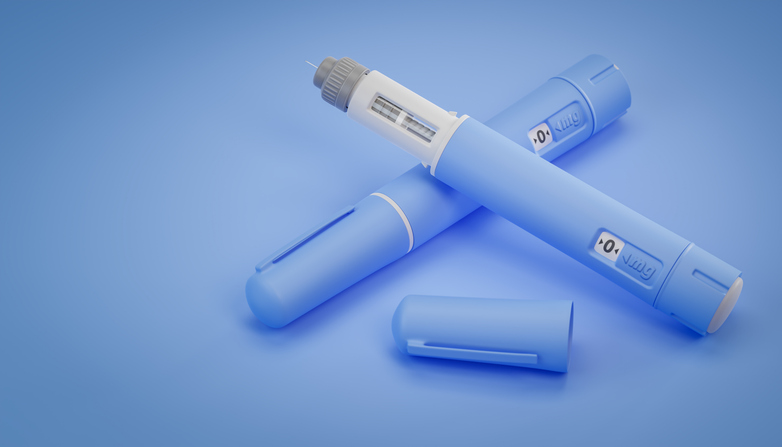
Treatment with semaglutide may be effective in patients with erythromelalgia.
Researchers detailed that patients with erythromelalgia — who often experience episodic erythema, burning pain and increased skin temperature — may receive ineffective or partial relief from current treatments.
In a recent case report published in JAAD Case Reports, the researchers assessed and treated a 46-year-old female patient with a personal and likely family history of erythromelalgia, class 1 obesity, antiphospholipid syndrome, chronic aura migraine, and prior transient ischemic attack and pulmonary embolism. The patient had normal neurologic, fasting glucose, autoimmune, nerve conduction, laboratory and genetic assessments. The patient had slightly elevated cold and warm detection thresholds; however, pain thresholds and dynamic allodynia tests eliminated small fiber neuropathy and suggested functional dysregulation.
After prescribing 0.25 milligrams of the glucagon-like peptide-1 receptor agonist semaglutide and increasing the dose to 1 milligram, the researchers observed resolution of the patient’s erythromelalgia symptoms after four weeks.
The researchers emphasized that the positive results of the case report may warrant further investigation into the benefit of GLP-1 receptor agonists in neurovascular pain syndromes such as erythromelalgia.
Read more: JAAD Case Reports
The article presented here is intended to inform you about the broader media perspective on dentistry, regardless of its alignment with the ADA's stance. It is important to note that publication of an article does not imply the ADA's endorsement, agreement, or promotion of its content.