
Dietary choices could limit IBD inflammation
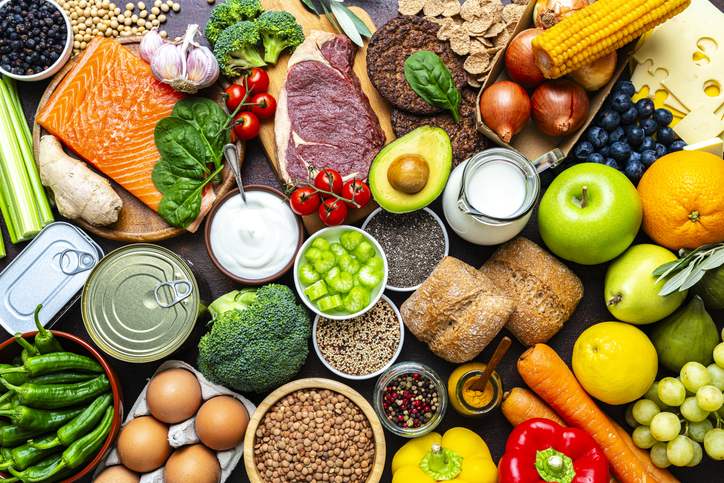
Dietary and microbial interactions could play a role in inflammatory bowel disease-related inflammation.
In a study published in Gut, researchers asked 198 adult participants — 98 of whom had either Crohn’s disease or ulcerative colitis and 100 of whom were healthy controls — to complete a validated food frequency questionnaire and provide stool samples, with the goal of better understanding how habitual diet and the gut microbiome impact inflammatory activity.
The researchers found that the participants with IBD were less likely to have diverse diets and fulfill fiber and nutritional adequacy compared with controls. Further, dietary choices such as consuming greater amounts of fiber, fruits, vegetables and nuts as well as limiting the intake of processed foods and sugary beverages were found to improve gut microbial diversity. For instance, the participants with Crohn’s disease who consumed healthier diets and incorporated whole-wheat bread and coffee had reductions in their disease severity, while participants with ulcerative colitis who followed a Mediterranean-like diet exhibited lower levels of inflammatory markers and reduced microbial dysbiosis.
The findings could help provide insights into the microbial and metabolic pathways through which dietary quality could mediate inflammation in patients with IBD.
Read more: Gut
The article presented here is intended to inform you about the broader media perspective on dentistry, regardless of its alignment with the ADA's stance. It is important to note that publication of an article does not imply the ADA's endorsement, agreement, or promotion of its content.