
Do higher fluoride concentrations lower caries risk in preschoolers?
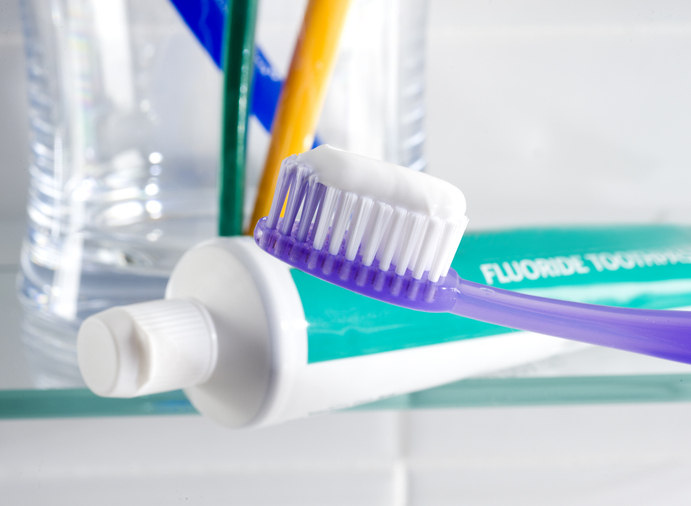
Researchers explored whether a toothpaste containing a higher concentration of fluoride could help prevent dental caries among younger children.
In the study, published in the Journal of Dentistry, the researchers randomly assigned more than 500 children aged 3 to 4 years to brush with a sodium fluoride toothpaste containing 1,000 parts per million of fluoride or their usual toothpaste.
After a follow-up of 24 months, the researchers found that the group that received the toothpaste with a higher fluoride concentration had lower decayed, missing or filled teeth and surface increments compared with the control group that continued to brush with their usual toothpaste. While there were no statistically significant differences observed in the subgroup of participants who did not exhibit dental caries at baseline, they discovered statistically significant differences in decayed, missing or filled teeth and surface scores between the participants with dental caries at baseline who used the toothpaste with a higher fluoride concentration compared with those who used their usual toothpaste.
The findings suggested that toothpaste with 1,000 parts per million of fluoride could be effective in reducing the risk of future dental caries in the primary teeth of children at greater risk of dental decay, particularly those residing in areas without access to fluoridated public drinking water.
Read more: Journal of Dentistry
The article presented here is intended to inform you about the broader media perspective on dentistry, regardless of its alignment with the ADA's stance. It is important to note that publication of an article does not imply the ADA's endorsement, agreement, or promotion of its content.