
Do sugary drink taxes make communities healthier?
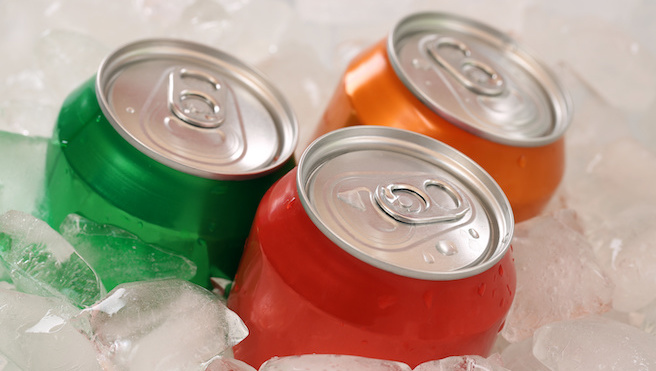
Evidence continues to grow that taxes on sugary beverages improve public health and fund critical community programs, according to the American Heart Association. Analyzing 33 global studies, a recent policy brief from the University of Pennsylvania found that sweetened beverage taxes reduce consumption and sugar intake, and are linked to improvements in obesity rates, oral health and birth outcomes.
The American Heart Association has long championed such taxes to combat heart disease and diabetes, with board member Mary Ann Bauman, M.D. stating that the beverages “do not provide nutritional value, and anything we can do to encourage the public to drink water instead is good for the heart and brain.”
The research comes on the heels of Santa Cruz, California, becoming the latest U.S. city, in May, to implement a sugary beverage tax, following Philadelphia, San Francisco, Oakland and Albany, California. The state legislatures in Maryland and Connecticut also introduced measures this year that would tax sugary beverages.
The 2-cent-per-ounce tax in Santa Cruz is estimated to generate $1.3 million per year, which a community advisory board will recommend how to spend. In San Francisco, the tax revenue paid for water filling stations in schools and a variety of health programs, and in Berkeley it has funded nutrition education programs in schools.
In Philadelphia, the revenue went toward funding universal access to pre-kindergarten and other important community projects. The tax also reduced adults’ soda consumption by 35%, according to the University of Pennsylvania researchers.
Read more: American Heart Association
The article presented here is intended to inform you about the broader media perspective on dentistry, regardless of its alignment with the ADA's stance. It is important to note that publication of an article does not imply the ADA's endorsement, agreement, or promotion of its content.