
Electrical facial pain leads to unnerving diagnosis
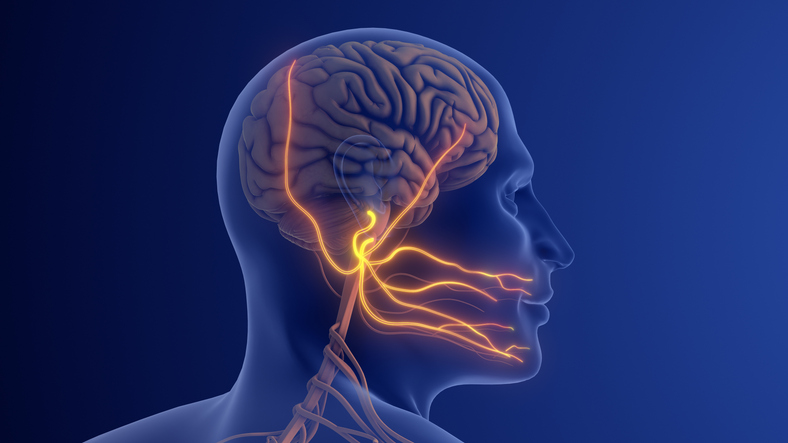
A mysterious condition causing intense and intermittent pain in a woman’s lower jaw puzzled physicians and dentists for years.
The 69-year-old woman — who noted never before experiencing a toothache and having diligent oral hygiene habits — detailed that the pain seemed to be concentrated around one of her teeth in her right mandible and occurred for a few minutes at a time over the course of weeks before she visited her dentist, according to a news article from The New York Times. After an examination, the dentist determined that the patient had no pain in her tooth or gums upon probing and an X-ray confirmed nothing abnormal. The dentist suggested she remove a nearby filling and receive a crown, but after the pain returned after several days, she visited a second dentist who suggested she wear an oral appliance to prevent bruxism. However, the pain became more frequent.
During a routine dental cleaning at another dental office, the patient experienced severe pain when opening her mouth. To the office’s periodontist, she characterized the pain — which she now experienced up to 10 times per day while eating, drinking or talking — as sharp and charged with electricity. The periodontist performed an examination to assess her lymph nodes for masses and tooth surfaces for evidence of grinding or misalignment. Although he was unable to locate the source of the pain, he called the patient nine months later suggesting she might have trigeminal neuralgia.
A neurologist corroborated the diagnosis and discovered on an MRI scan that an artery was compressing the lowest branch of the patient’s trigeminal nerve. While treatment with the antiseizure drug oxcarbazepine relieved her pain for several years, a combination of the pain’s return at a higher level and a higher dose of oxcarbazepine that affected her quality of life encouraged her to seek a neurosurgeon. The procedure successfully lifted the artery off the lowest branch of the trigeminal nerve and eliminated the pain.
The patient is currently free of trigeminal neuralgia but continues to attend a support group with others who have experienced facial nerve pain.
Read more: The New York Times
The article presented here is intended to inform you about the broader media perspective on dentistry, regardless of its alignment with the ADA's stance. It is important to note that publication of an article does not imply the ADA's endorsement, agreement, or promotion of its content.