
Federal student loan system faces potential wave of delinquency, default
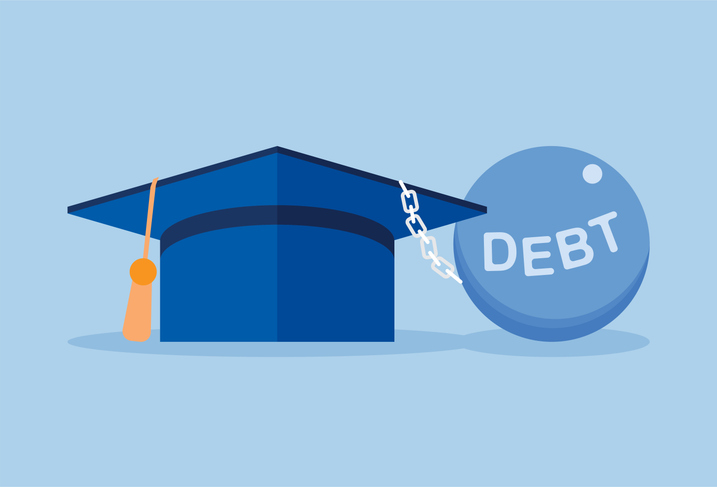
Experts have warned that changes to the federal student loan system could require higher monthly payments that many borrowers may be unable to afford.
Student loan delinquency and default was nearly eliminated during the COVID-19 pandemic, when student loan repayments and interest accrual were paused for several years and more affordable income-driven repayment options such as the Saving on a Valuable Education plan were introduced, according to a news article from PBS News. However, a March court ruling has led to the termination of the SAVE plan, a decision that will migrate many borrowers onto more costly repayment plans like the Repayment Assistance Plan and resume the collection of payments among borrowers who previously contributed less or none of their monthly income toward debt.
The experts cited in the article suggested that higher monthly payments in tandem with the financial strain of the rising cost of living could catalyze a student loan delinquency and default crisis. They detailed that student loan delinquency and default occurs when borrowers miss one and nine months of payments, respectively. Because the federal government restarted considering borrowers in delinquency or default beginning in 2024, by the end of 2025, it was estimated that more than 7.5 million borrowers had defaulted on their loans. Another 16% of borrowers are three months delinquent compared with about 10% prior to the pandemic.
The experts stressed that the higher delinquency rate could signal the growing uncertainty and complexity surrounding the new federal student loan system, inadequate funding and staffing at the U.S. Department of Education that has left many applications for income-driven repayment plans unprocessed, and the increasing unemployment rate.
The experts emphasized the need for the proper delivery of information to borrowers leaving the SAVE plan to ensure that they have pathways to more affordable repayment plans and can avoid defaulting on their student loans.
Read more: PBS News
The article presented here is intended to inform you about the broader media perspective on dentistry, regardless of its alignment with the ADA's stance. It is important to note that publication of an article does not imply the ADA's endorsement, agreement, or promotion of its content.