
Groundbreaking system could extend operational lifetime of pacemakers
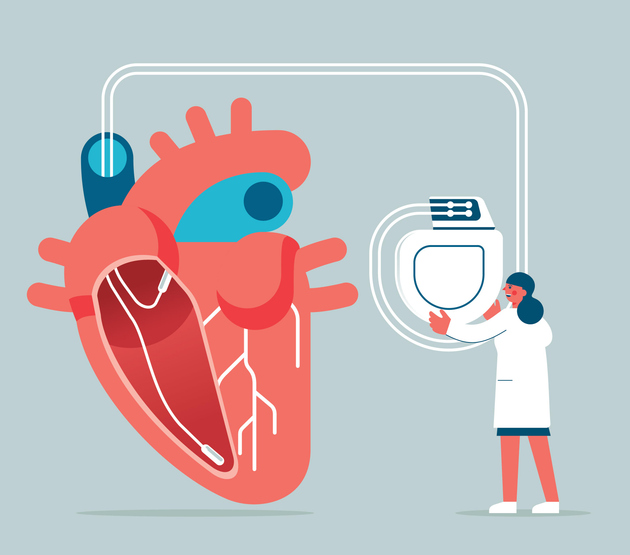
A novel pacemaker design may help reduce the need for retrieval or replacement procedures that are more common in standard devices through more efficient energy harvesting methods.
In a preclinical study published in Science Advances, researchers developed an integrated, double-oscillatory triboelectric nanogenerator-powered leadless intracardiac pacemaker capable of self-sustaining power generation facilitated by heartbeats. They noted that the device was also designed to be compatible with a commercial pacemaker and can be implanted via femoral-venous catheter delivery.
After examining the efficacy of the novel pacemaker in a swine model, the researchers found that the device supplied stable, rate-responsive electrical energy to help regulate the heart’s rhythm without fixation issues and minimal or no adverse effects to cardiac tissue or function, respectively.
The results of the study demonstrated the potential clinical utility of the triboelectric nanogenerator-powered leadless intracardiac pacemaker.
Read more: Science Advances
The article presented here is intended to inform you about the broader media perspective on dentistry, regardless of its alignment with the ADA's stance. It is important to note that publication of an article does not imply the ADA's endorsement, agreement, or promotion of its content.