
Harmful smoke from Canadian wildfires affects millions
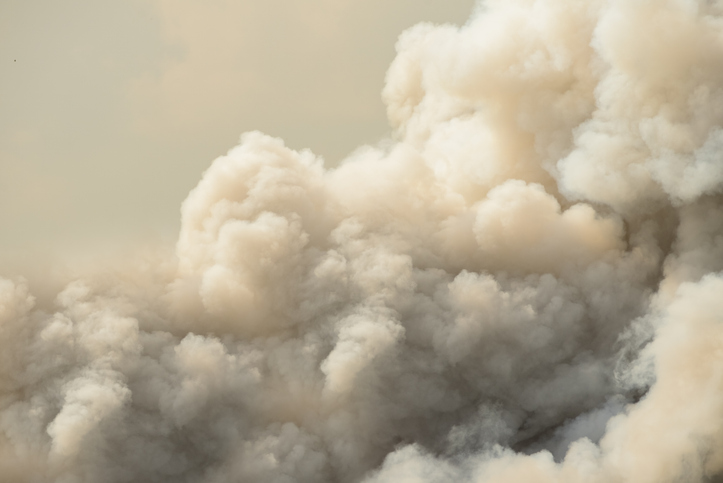
Experts detailed how individuals impacted by the Canadian wildfires can take steps to ensure their health as smoke blankets parts of the United States.
The smoke from the wildfires, which broke out in Northern Ontario, is capable of traveling long distances, according to a news article from The Conversation. The experts cited in the article stressed that the hazardous haze has already traveled hundreds of miles south, creating health risks for individuals residing in the Midwest and northeastern United States. For instance, wildfire smoke contains dangerous gases such as carbon monoxide, nitrogen dioxide, sulfur dioxide and ozone as well as fine particulate matter that can worsen air quality and infiltrate the lungs and bloodstream. Current data from the World Health Organization indicated that about 200,000 deaths in the United States annually can be attributed to poor air quality, creating a significant healthcare burden.
In tandem with extreme heat, the Canadian wildfire smoke can have a compounded effect on human health by increasing the risk of acute disease, exacerbating preexisting chronic conditions and causing avoidable deaths — particularly among young children, older adults, pregnant women and those with asthma, lung disease and cardiometabolic disease. Healthy individuals who spend time outdoors for occupational or athletic purposes may also be affected.
The experts urged individuals to be aware of the Air Quality Index for their region, ensure that their homes are properly insulated from smoke, use air purifiers, check in on vulnerable friends and family members and remain indoors as much as possible. Those who still plan to go outdoors should limit time spent outside, use N95 respirators and have emergency inhalers or medications available.
Individuals should watch for symptoms of wildfire smoke exposure, including coughing, wheezing, shortness of breath, chest discomfort, eye and throat irritation, headaches and dizziness — and seek immediate medical care if existing conditions worsen. The experts underscored that communities and healthcare systems should work to ensure that residents have access to resources detailing how to prevent adverse outcomes from exposure to the Canadian wildfire smoke.
Read more: The Conversation
The article presented here is intended to inform you about the broader media perspective on dentistry, regardless of its alignment with the ADA's stance. It is important to note that publication of an article does not imply the ADA's endorsement, agreement, or promotion of its content.