
How does mouth rinse affect saliva?
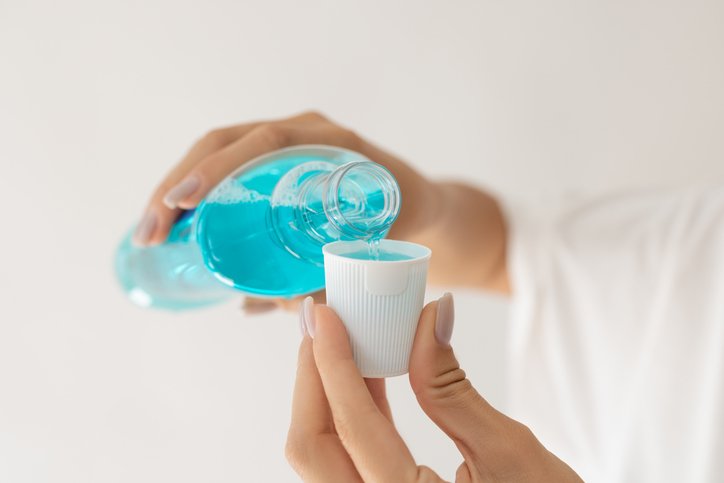
Researchers examined whether mouth rinses can impact salivary flow.
In a study published in the Journal of Dental Hygiene, researchers randomly assigned more than 150 participants aged 18 years and older to practice either toothbrushing plus the use of mouth rinses containing essential oils with or without alcohol or toothbrushing plus the use of a control water rinse — with the goal of determining whether mouth rinses can adversely affect salivary flow and oral pH levels. The study period lasted one day.
The researchers found that 30 minutes following the use of both toothbrushing plus mouth rinse or toothbrushing plus water rinse, the mean rate of salivary flow and mean salivary pH were comparable. They noted that pH levels increased 15 minutes following cleaning in both groups before returning to near-baseline levels at 30 minutes. Further, the presence of alcohol in mouth rinses did not influence salivary flow or pH levels compared with the lack of alcohol in mouth rinses.
Despite the positive results of the study, the researchers emphasized the need for longer-term studies exploring the impacts of mouth rinses on salivary characteristics.
Read more: Journal of Dental Hygiene
The article presented here is intended to inform you about the broader media perspective on dentistry, regardless of its alignment with the ADA's stance. It is important to note that publication of an article does not imply the ADA's endorsement, agreement, or promotion of its content.