
How smoke exposure could increase dental decay in early life
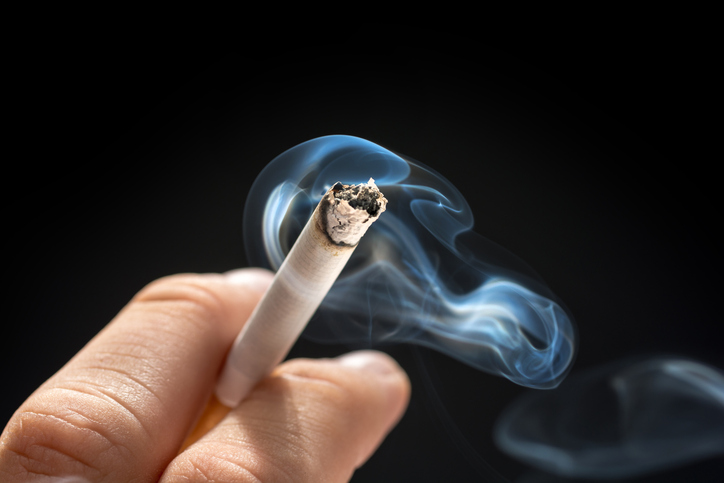
Exposure to secondhand smoke could increase the risk of dental caries early in life.
In a study published in the Journal of Dentistry, investigators used data from the HAPIN trial to explore the relationship between secondhand smoke exposure during four stages of early life — including gestational, early, postnatal and current — and the subsequent risk of dental caries among more than 700 children aged 3 to 5 years. They collected urinary nicotine metabolites and questionnaires to determine secondhand smoke exposure.
The investigators found that about two-thirds of the participants had been diagnosed with early childhood caries. Compared with the other participants who were unexposed, the children who were exposed to secondhand smoke during the gestational stage, particularly the second trimester, as well as postnatal stage were more likely to experience dental caries. The participants whose fathers smoked had an elevated risk of early childhood caries, especially if they smoked 11 or more cigarettes per day.
The research established a potential link between early secondhand smoke exposure and childhood dental caries. As a result, the investigators emphasized the critical need to develop preventive strategies to eliminate the risk of secondhand smoke exposure and the subsequent burden of dental caries in early life.
Read more: Journal of Dentistry
The article presented here is intended to inform you about the broader media perspective on dentistry, regardless of its alignment with the ADA's stance. It is important to note that publication of an article does not imply the ADA's endorsement, agreement, or promotion of its content.