
Identifying markers of oral inflammation
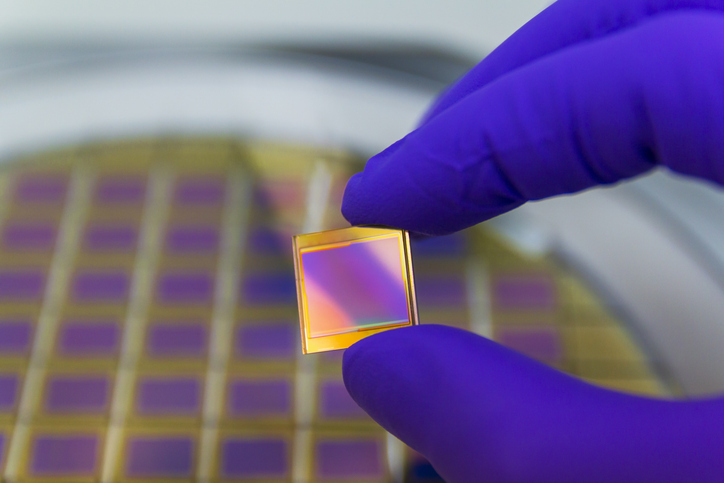
A novel in situ biosensor could offer real-time detection of a proinflammatory cytokine in the oral cavity.
Researchers noted that low biomarker concentrations, molecular-level heterogeneity and dynamic intraoral interactions have made the use of biosensors in the oral tissue challenging. In a study published in Science Advances, the researchers developed a tissue-adhesive selective-permeable hydrogel membrane-based biosensor that incorporated a graphene and MXene sensing probe and was designed to identify tumor necrosis factor-alpha.
The researchers found that the tissue-adhesive hydrogel-MXene biosensor demonstrated high sensitivity, selectivity and mechanical stability. The researchers attributed the positive results to MXene’s ability to immobilize biomarker receptors, the selective-permeable hydrogel membrane that filtered nontarget biomolecules and the mucoadhesive patch that allowed for adhesion on wet tissue and sensor substrate.
The findings indicated that the novel biosensor could present opportunities to improve oral inflammation diagnosis, monitoring and management at point of care. The researchers concluded that the tool could address current issues in sensitivity, selectivity and robustness.
Read more: Science Advances
The article presented here is intended to inform you about the broader media perspective on dentistry, regardless of its alignment with the ADA's stance. It is important to note that publication of an article does not imply the ADA's endorsement, agreement, or promotion of its content.