
Intraoral scanners in robotic dental implant placement
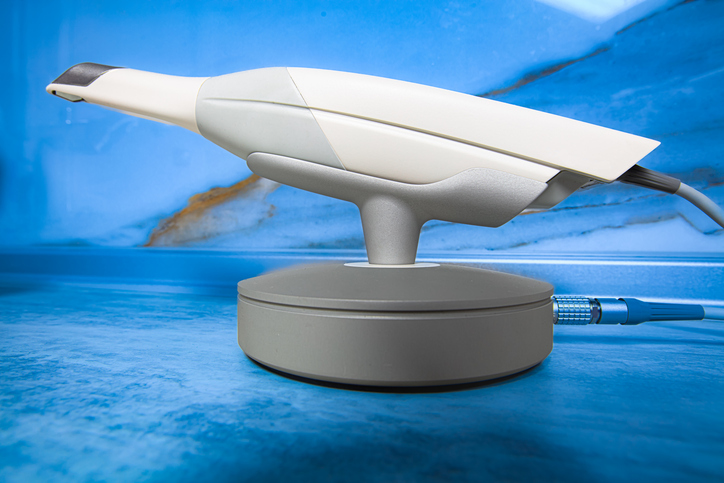
Researchers have compared two methods in assessing robotic computer-assisted dental implant surgery.
In the study, published in the Journal of Dentistry, the researchers used intraoral scanners and cone-beam computed tomography to examine the placement of 34 dental implants in a group of 27 patients with one or two consecutive missing teeth. They compared pre- and postoperative scans to determine differences in planned and actual implant positions.
The researchers found no statistically significant differences and excellent agreement between the intraoral scanners and CBCT — demonstrating comparable accuracy. The findings suggested that intraoral scanners may offer a radiation-free alternative to standard imaging in robotic computer-assisted dental implant surgery.
Larger studies are needed to confirm the results of the study.
Read more: Journal of Dentistry
The article presented here is intended to inform you about the broader media perspective on dentistry, regardless of its alignment with the ADA's stance. It is important to note that publication of an article does not imply the ADA's endorsement, agreement, or promotion of its content.