
Investigating environment-gut microbiome interactions in early-onset colorectal cancer
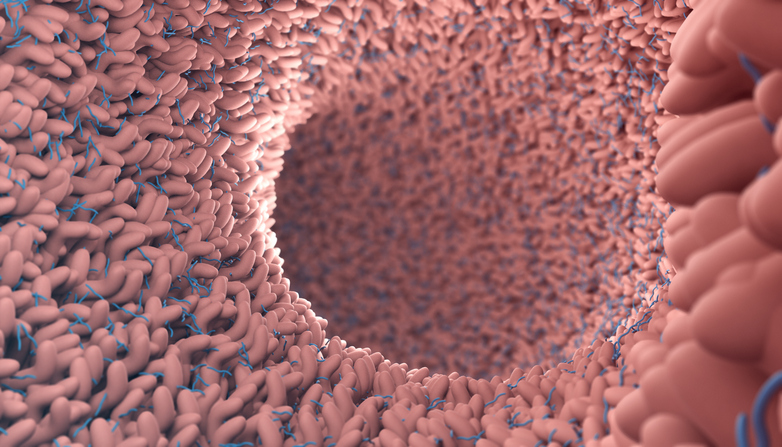
The gut microbiome could be a major contributing factor to the alarming rise in early-onset colorectal cancer cases.
Although the rate of colorectal cancer has declined among older patients, patients aged 30 to 49 years are experiencing a steep increase in late-stage, refractory disease as a result of currently unknown mechanisms, according to a news article from NPR. Even with the availability of more aggressive and advanced treatment options, early-onset colorectal cancer care is still catching up to the disease’s mortality burden.
Experts cited in the article detailed that genetics may only be attributable for about 20% of early-onset colorectal cancers, while environmental factors likely explain the generational uptick in cases among the other 80% of patients. For instance, increases in the intake of ultraprocessed foods and exposure to plastic-based products and harsh chemicals like detergents and cleaning agents could strip the gut of its protective mucus layer and disrupt the gut microbiome — resulting in inflammation, DNA damage and leaky gut.
Despite reaching a better understanding of how gut microbiome disruption can have adverse health effects, researchers are still uncertain of how this disruption leads to the development of colorectal cancer and what strategies can effectively prevent the disease. The experts urged individuals with a family history of colorectal cancer to undergo screening for the disease, monitor for warning signs and take measures to reduce their risk.
Read more: NPR
The article presented here is intended to inform you about the broader media perspective on dentistry, regardless of its alignment with the ADA's stance. It is important to note that publication of an article does not imply the ADA's endorsement, agreement, or promotion of its content.