
Kissing bug disease: How to reduce risk of exposure
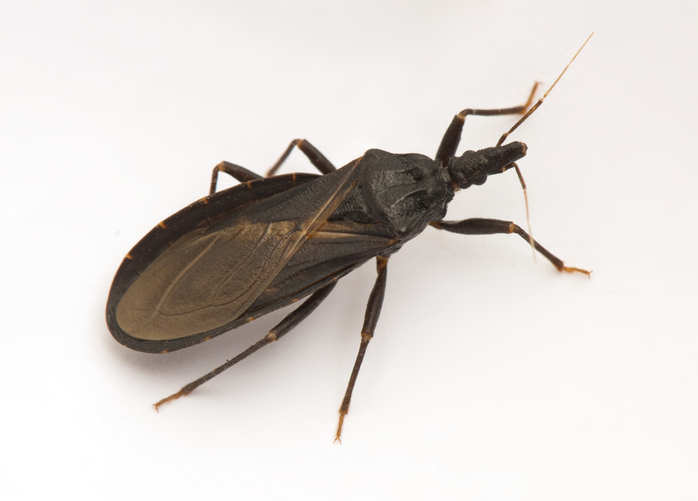
Experts have sounded the alarm on Chagas disease, more commonly known as kissing bug disease.
According to a news article published in The Washington Post, the Centers for Disease Control and Prevention has labeled Chagas disease as endemic to the United States, where over 100 million individuals may be at risk of infection in 32 states where the triotamine bug (also known as the kissing bug) is found. As of early September, cases of Chagas disease have been reported in Arizona, Arkansas, California, Louisiana, Missouri, Mississippi, Tennessee and Texas.
Public health officials detailed that infections occur when parasitic Trypanosoma cruzi-contaminated feces from the kissing bug enter through the eyes, mouth or open wounds. Dogs have been known to carry the parasite in states such as Texas and California. Once infected, individuals may experience Chagas disease in two phases. The acute phase, which may be asymptomatic or result in fever, fatigue, body aches and eyelid swelling. If not treated immediately, the disease may advance to the chronic phase, leading to an enlarged esophagus or colon, heart failure and death.
Although there are currently no vaccines available for the prevention of Chagas disease, individuals who believe they’ve been exposed can receive antiparasitic drugs. Individuals were advised to spray long-lasting insecticides, wear long-sleeved clothing and pants, avoid contact with unpeeled fruits and raw vegetables and using flea and tick medications on their pets. Public health officials hope to develop more effective surveillance methods to minimize the risk of infection.
Read more: The Washington Post
The article presented here is intended to inform you about the broader media perspective on dentistry, regardless of its alignment with the ADA's stance. It is important to note that publication of an article does not imply the ADA's endorsement, agreement, or promotion of its content.