
Managing expectations with teeth whitening: Balancing speed, safety
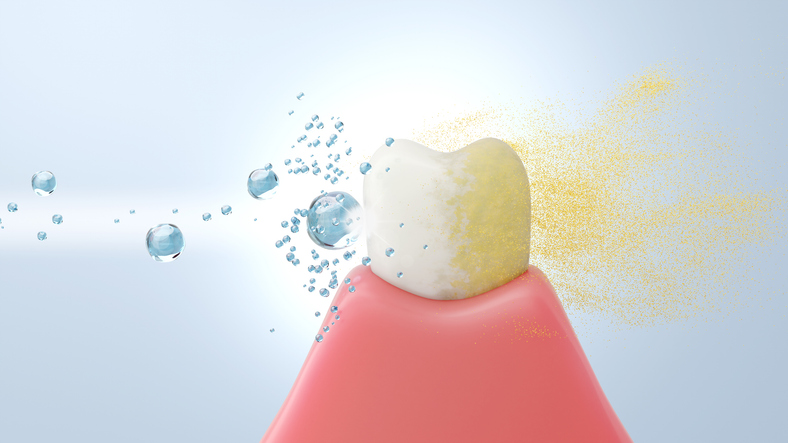
In a news article from the Los Angeles Times, experts detailed strategies to improve patient management in professional teeth whitening.
The experts cited in the article stressed that because patients often see unrealistic results of teeth-whitening procedures online and are exposed to a slew of over-the-counter products, navigating conversations about the reality and limits of clinical teeth-whitening agents like carbamide peroxide and hydrogen peroxide can become challenging.
Effective teeth-whitening procedures can offer positive results for more than one year with adequate care; however, they require proper supervision, customization and consideration of adverse treatment effects from dental professionals to protect the soft tissues of the oral cavity. In addition to in-office teeth bleaching that can brighten teeth up to eight shades in one visit with higher chemical concentrations, patients can take home customized carbamide peroxide- or hydrogen peroxide-based gel trays to perform the procedures themselves. Over-the-counter whitening toothpastes and strips are typically less effective than in-office procedures at brightening the teeth and can cause gingival irritation if the whitening agents get on the gums.
Dental professionals were advised to communicate the risks of tooth sensitivity following in-office teeth-whitening procedures as well as the longer treatment times take-home whitening trays need to visibly whiten the teeth. Even though in-office appointments can take just 1.5 hours, tooth sensitivity can be more intense and persist for several days following treatment. The experts explained that dental professionals often balance the speed of the procedure with the safety of the teeth, aiming to use agents and concentrations that can target the enamel-staining compounds without harming the nerves.
Once patients undergo teeth whitening, dental professionals should advise them to practice excellent oral hygiene; avoid stain-causing beverages like coffee, tea and red wine; drink through a straw to minimize contact of staining compounds with the teeth; and adhere to regular dental visits to get the best results of the whitening procedures.
Read more: Los Angeles Times
The article presented here is intended to inform you about the broader media perspective on dentistry, regardless of its alignment with the ADA's stance. It is important to note that publication of an article does not imply the ADA's endorsement, agreement, or promotion of its content.