
Nodal staging strategies in high-risk skin cancer
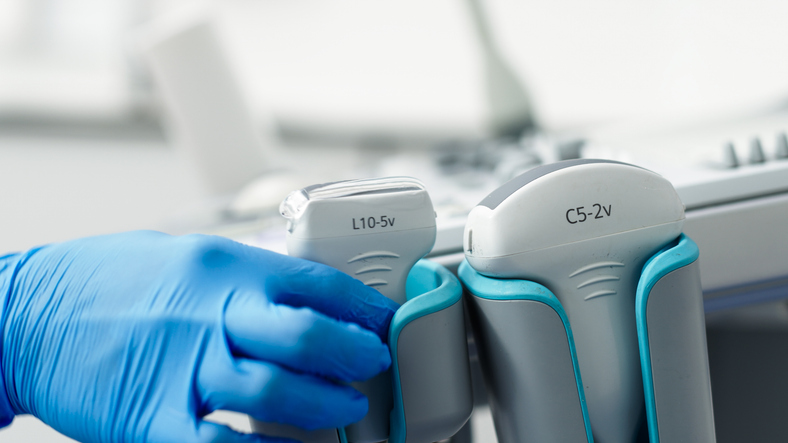
A new technique may help detect nodal metastases in patients with high-risk cutaneous squamous cell carcinoma.
In a study published in JAMA Dermatology, researchers examined the efficacy of physical examination, ultrasonography and computed tomography for baseline nodal staging in more than 150 patients with histologically confirmed high-risk cutaneous squamous cell carcinoma.
Compared with physical examination, ultrasonography and computed tomography were found to be superior, have near perfect agreement and demonstrate a higher concordance in the early detection of nodal metastases, with ultrasonography delivering the highest sensitivity rate among the three modalities. However, the sensitivity rates declined when detecting nodal staging among patients who were immunosuppressed. The researchers noted that ultrasonography and CT achieved 100% sensitivity in patients who were not immunosuppressed.
The researchers concluded that ultrasonography and CT may outperform physical examination and may be used interchangeably. Tailored guidelines may be needed to improve practices surrounding nodal metastasis detection among patients with high-risk cutaneous squamous cell carcinoma who are immunosuppressed.
Read more: JAMA Dermatology
The article presented here is intended to inform you about the broader media perspective on dentistry, regardless of its alignment with the ADA's stance. It is important to note that publication of an article does not imply the ADA's endorsement, agreement, or promotion of its content.