
Novel oral atlas could reveal metabolic status
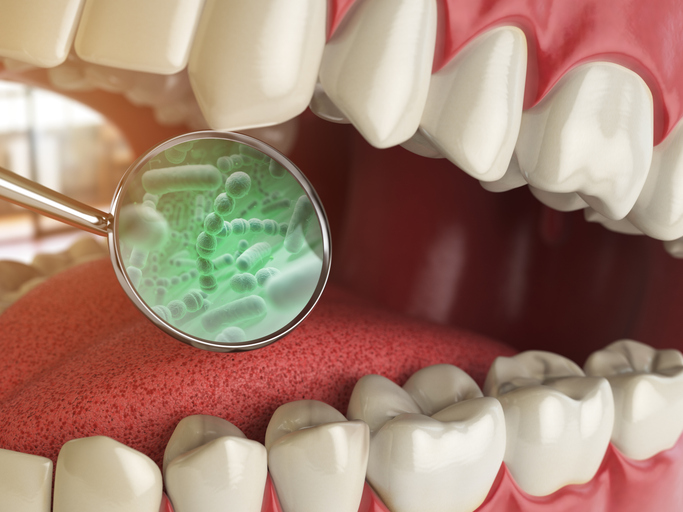
Researchers may have uncovered a new strategy to assess metabolic health using oral biomarkers from a swab of the oral cavity, according to a news article from ZME Science.
Experts explained that the oral microbiome is the second-largest microbial environment in the human body and has been previously linked to systemic diseases across multiple organ systems.
In a study published as a preprint in bioRxiv, the researchers combined buccal-swab oral whole-metagenome profiles with 44 measures of metabolic health among nearly 9,500 individuals aged 38 to 72 years who participated in the Human Phenotype Project. The participants were asked to undergo liver ultrasounds, continuous glucose monitoring and scans like visceral fat and lean mass to measure adiposity like visceral fat and lean mass. The researchers then developed a multilayer map to determine which oral bacterial strains, gene families and biological pathways were associated with metabolic health and diseases, such as fatty liver disease, prediabetes, hypercholesterolemia, hypertension, obesity and cholelithiasis.
The researchers identified more than 200 strains and 124,500 gene families and nearly 300 pathways potentially capable of illuminating metabolic status. For instance, acyl carrier protein was linked to lower liver inflammation and adiposity, whereas polyamine biosynthesis and ceramide alpha-oxidation were linked to greater glucose variability, poorer liver health and higher adiposity. After using the data to train a model designed to classify diseases, the researchers noted that they were able to accurately identify six metabolic diseases compared with existing models incorporating all oral features or simpler models based on age, sex and body mass index.
Additionally, oral bacteria were found to be correlated with aspects of metabolic health. For example, Streptococcus parasanguinis and Oribacterium sinus were linked to obesity, a higher BMI and body fat, and Prevotella, Actinomyces and Fusobacterium were linked to body composition. Conversely, Corynebacterium durum was potentially protective of glucose levels and Neisseria subflava was possibly protective of liver inflammation, fibrosis and glucose levels.
The researchers concluded that the results of their study indicated that oral microbial disruption may increase an individual’s susceptibility to metabolic health issues. They hope their findings can provide an avenue for the creation of a noninvasive strategy to identify patients with or at risk of developing metabolic diseases. However, despite the patterns described in the results, the researchers were unable to establish causality in the study.
Read more: ZME Science
The article presented here is intended to inform you about the broader media perspective on dentistry, regardless of its alignment with the ADA's stance. It is important to note that publication of an article does not imply the ADA's endorsement, agreement, or promotion of its content.