
Novel tool can help reverse facial laxity
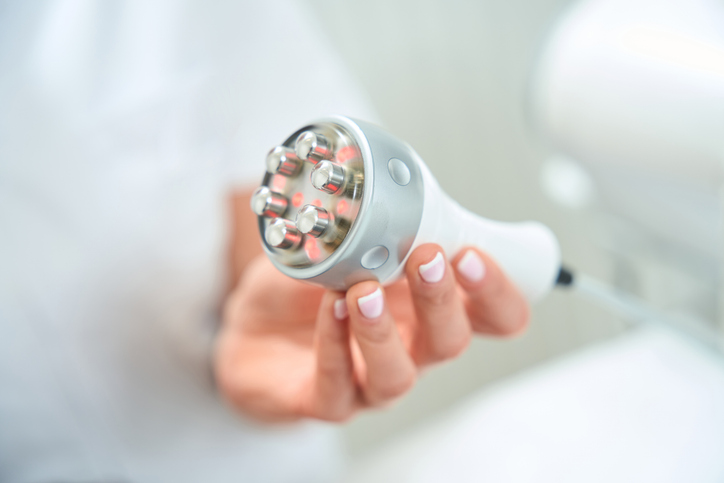
A dual-frequency noninvasive monopolar radiofrequency system may provide an effective nonsurgical treatment option for facial laxity.
In a prospective multicenter study published in Cureus, researchers examined the safety and short-term efficacy of dual-frequency noninvasive monopolar radiofrequency delivered at shallow, middle and deep depths among 39 patients. Although the patients could have received a maximum of three treatment sessions, the patients only required two sessions. The researchers used standardized clinical photography at baseline and 30 and 90 days as well as the Global Aesthetic Improvement Scale to assess clinical outcomes. The patients were also asked to complete questionnaires reporting their treatment satisfaction.
The researchers found that Global Aesthetic Improvement Scale scores were greater than three among more than 84% and 92% of the participants after 30 and 90 days, respectively. Further, the patients stated that they experienced high satisfaction with the results of the treatment sessions. The researchers reported no long-term treatment-related adverse effects.
As a result of the positive findings, the researchers suggested that further studies of dual-frequency noninvasive monopolar radiofrequency be conducted to better understand its safety and efficacy in patients with facial laxity.
Read more: Cureus
The article presented here is intended to inform you about the broader media perspective on dentistry, regardless of its alignment with the ADA's stance. It is important to note that publication of an article does not imply the ADA's endorsement, agreement, or promotion of its content.