
Oral microbiome uncovers metabolic pattern in obesity
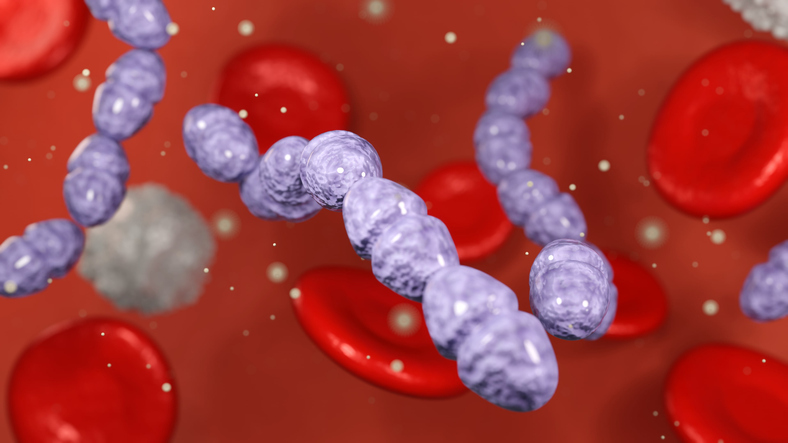
The oral microbial ecosystem could reveal insights into the distinct proinflammatory signatures present in individuals with obesity, according to a news article from New Scientist.
In a study published in Cell Reports, researchers collected saliva samples and conducted multi-omics profiling of the oral microbiomes of 97 participants with obesity and 95 controls matched on the basis of age, sex, lifestyle, oral health and tooth-brushing frequency.
The researchers identified a proliferation of proinflammatory and lactate-producing bacteria — including Streptococcus parasanguinis, Actinomyces oris and Oribacterium sinus. They also discovered 94 differences in microbial metabolic pathways like increased carbohydrate metabolism and histidine degradation, upregulated obesogenic metabolites and depleted B-vitamin and heme biosynthesis. Further, metabolites such as lactate, histidine derivatives, choline, uridine and uracil were more common in the participants with obesity, linking the condition to an elevated risk of cardiometabolic disease.
The results highlighted the disruptions in oral microbiome composition and function associated with obesity. The researchers called for new interventions — such as an oral gel, prebiotics, antimicrobials, pH-modifying rinses or behavioral interventions — to prevent obesity and mitigate the risk of cardiometabolic disease. They plan to perform further studies exploring whether oral microbes travel to the gut microbiome to contribute to obesity as well as randomized-controlled trials establishing causation.
Read more: New Scientist
The article presented here is intended to inform you about the broader media perspective on dentistry, regardless of its alignment with the ADA's stance. It is important to note that publication of an article does not imply the ADA's endorsement, agreement, or promotion of its content.