
Oral pathogenic bacteria could play role in breast cancer progression, metastasis
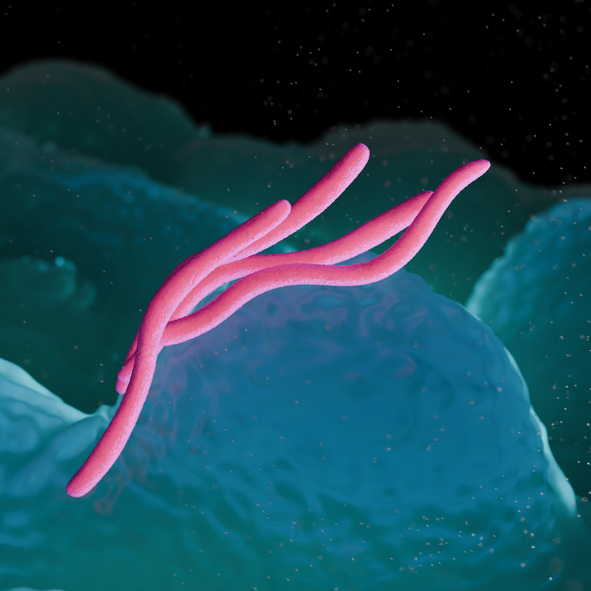
The heightened presence of certain pathogenic bacteria in the oral microbiome could be linked to tumorigenesis, according to a news article from Science Daily.
In a study published in Cell Communication and Signaling as an early access, unedited manuscript, researchers performed a metagenomic analysis to examine the relationship between oral microbes and breast cancer.
The researchers found that breast cancer was associated with the proliferation of Fusobacterium nucleatum bacteria. In a preclinical mouse model in which mammary glands were colonized with the bacteria, they observed metaplastic and hyperplastic lesion formation, inflammation, impairment of DNA damage and repair pathways, and cell hyperproliferation. Brief exposure to F nucleatum bacteria promoted protein kinase catalytic subunit levels, leading to increased cancer cell movement, invasion, stem-like traits and chemotherapy resistance. Mice with breast cancer and circulating F nucleatum bacteria introduced into the bloodstream exhibited tumor progression and metastasis to the lungs. In addition, BRCA1-mutated cells had a greater build-up of d-galactose-beta-[1➝3]-N-acetyl-D-galactosamine sugar residue on their surfaces, allowing F nucleatum bacteria to enter these types of cells, remain present over multiple cell generations and raise the risk of tumorigenesis.
The findings could illuminate the influence of F nucleatum bacteria on both normal mammary tissue and breast cancer cells. However, more studies are needed to better understand the clinical implications of the association between oral pathogenic bacteria and cancer risk.
Read more: Science Daily
The article presented here is intended to inform you about the broader media perspective on dentistry, regardless of its alignment with the ADA's stance. It is important to note that publication of an article does not imply the ADA's endorsement, agreement, or promotion of its content.