
Reciprocal relationship between IBS, anxiety
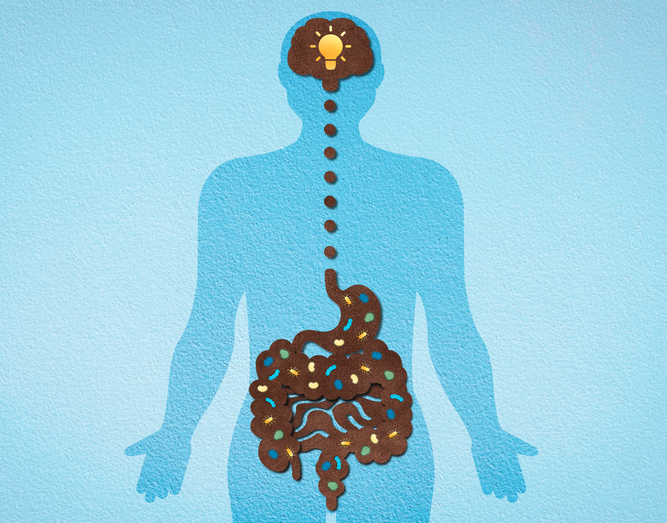
Investigators may have uncovered a bidirectional relationship between gastrointestinal disorders and anxiety disorders.
In a study published in Cureus, the investigators used the TriNetX global network of de-identified electronic health records to identify patients diagnosed with irritable bowel syndrome, inflammatory bowel disease and anxiety disorders between Jan. 1, 2021, and Jan. 1, 2024, as well as matched controls.
Compared with controls, a greater percentage of the patients with anxiety disorders later developed IBS. Further, more than twice the percentage of patients with IBS later developed anxiety disorders compared with controls. However, there were no statistically significant differences in the development of IBD in patients with anxiety disorders and vice versa compared with controls — representing a potentially weaker bidirectional connection between anxiety disorders and IBD.
The findings highlighted the need for gut-brain axis-targeted interventions to provide more effective psychiatric and gastrointestinal support in patients with anxiety disorders and IBS.
Read more: Cureus
The article presented here is intended to inform you about the broader media perspective on dentistry, regardless of its alignment with the ADA's stance. It is important to note that publication of an article does not imply the ADA's endorsement, agreement, or promotion of its content.