
Teeth-whitening formulation could expand accessibility
Researchers may have uncovered a novel strategy to whiten teeth while avoiding adverse effects such as tooth sensitivity.
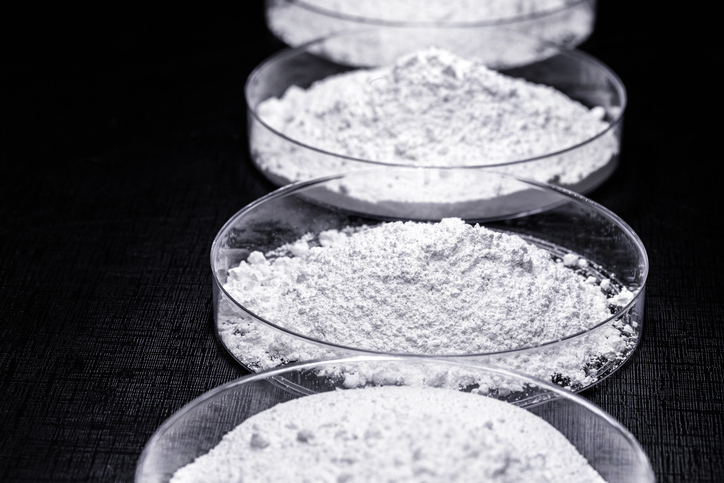
Although peroxide-based teeth-whitening agents are effective in eliminating stains, the chemicals are capable of causing enamel demineralization, soft tissue irritation and microbial imbalance. In a study published in ACS Nano, the researchers developed a ceramic powder comprised of barium titanate, strontium and calcium — known as BSCT. When paired with an electric toothbrush, the mechanical forces created a piezoelectric polarization field and reactive oxygen species that degraded the organic dyes making up the stains. The release of calcium and strontium ions also formed localized ion-enriched zones, thereby promoting biomimetic remineralization on the enamel and dentin surfaces.
After comparing the effects of the ceramic powder and electric toothbrush with standard saline on laboratory-stained teeth, the researchers found that teeth treated with the combination method were about 50% whiter. With further analysis in a murine model of rat fed a high-sugar diet, they determined that the ceramic powder and electric toothbrush inhibited cariogenic oral microbes, reduced oral inflammation and restored beneficial oral microbial communities.
Despite the preclinical findings, further studies will be needed to investigate the efficacy of the ceramic powder in humans. The researchers hope their novel formulation can provide individuals with a safe, at-home alternative to standard teeth whitening.
Read more: ZME Science
The article presented here is intended to inform you about the broader media perspective on dentistry, regardless of its alignment with the ADA's stance. It is important to note that publication of an article does not imply the ADA's endorsement, agreement, or promotion of its content.