
Using saliva to trace sleep factors in forensics
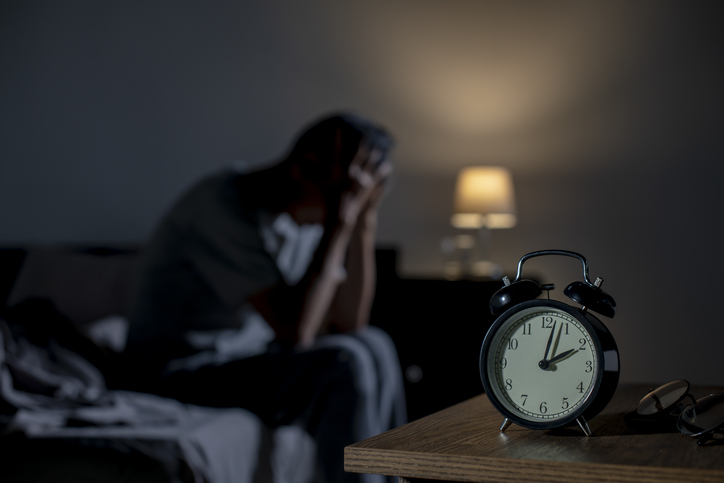
A salivary metabolic biomarker could aid in the forensic diagnosis of sleep deprivation and sleep restriction.
In a study published in the Journal of Proteome Research, researchers randomly assigned 20 healthy young male participants who regularly achieved seven to nine hours of sleep per night to one of three groups under realistic conditions: one night of total sleep deprivation, four nights of sleep restriction (six hours per night) and control (eight hours per night). They collected and assessed oral fluid specimens using liquid chromatography and mass spectrometry and subsequently employed logistic regression models to classify the samples.
The researchers found that with just 12 molecular features, the models were able to identify the metabolic fingerprint of the oral fluid samples from individuals with acute sleep deprivation — particularly if the specimens were collected in the morning or midday. However, those with sleep restriction did not yield adequate metabolic signatures in their oral fluid samples.
The findings highlighted the potential role the new strategy could play in the forensic, clinical and occupational diagnosis of sleep deprivation using salivary metabolic biomarkers.
Read more: Journal of Proteome Research
The article presented here is intended to inform you about the broader media perspective on dentistry, regardless of its alignment with the ADA's stance. It is important to note that publication of an article does not imply the ADA's endorsement, agreement, or promotion of its content.