
What level of laryngeal disorder classification can AI models provide?
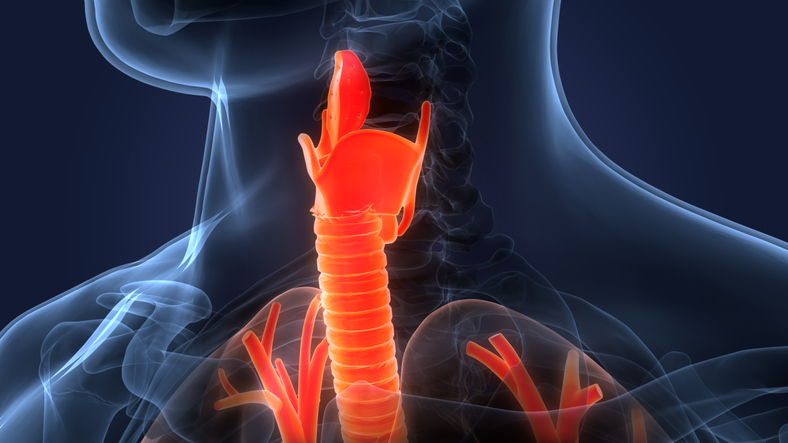
Investigators examined the efficacy of artificial intelligence models in the detection of laryngeal disorders.
In a study published in the Journal of Personalized Medicine, the investigators used the PubMed, Cochrane Library and Scopus databases to identify 88 studies focused on the use of AI in laryngeal disorder detection. They assessed the accuracy of the AI models across three levels: binary healthy versus pathologic detection, pathophysiologic category classification and specific pathology identification.
The investigators found that while the AI models were highly effective in distinguishing between healthy and pathologic laryngeal conditions, higher-level classifications were less accurate. They hypothesized that the reductions in accuracy at higher levels was likely the result of acoustic overlap caused by measurable abnormalities shared between laryngeal disorders.
Because of the findings, the investigators suggested that AI models should be used to support clinician decision-making rather than be implemented as autonomous diagnostic tools.
Read more: Journal of Personalized Medicine
The article presented here is intended to inform you about the broader media perspective on dentistry, regardless of its alignment with the ADA's stance. It is important to note that publication of an article does not imply the ADA's endorsement, agreement, or promotion of its content.