
Why sugar-free cranberry juice may be good for oral health
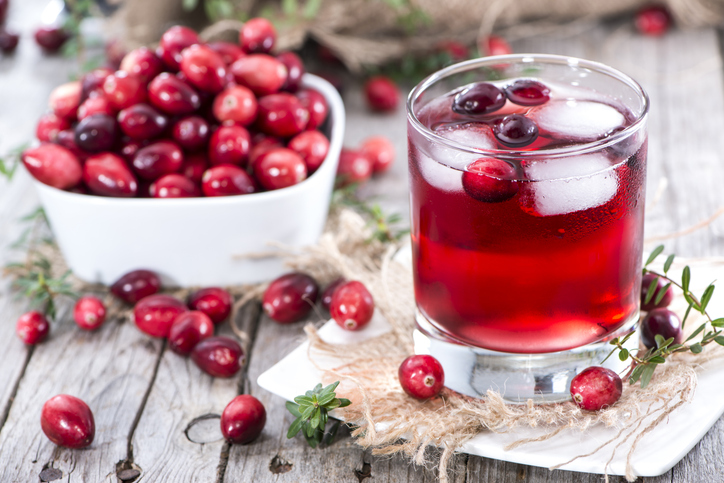
Cranberry juice without sugar could help create an oral environment that protects the teeth, according to a news article from UIC Today.
Previous studies have demonstrated that the anti-inflammatory compound proanthocyanidin found in cranberries could be effective in preventing the development and growth of pathogenic oral biofilms, thereby reducing the likelihood of dental decay and periodontal disease. However, these studies were conducted using cranberry juice extract rather than commercially available cranberry juice.
In a study published in Scientific Reports, researchers used the plaque glycolysis and regrowth method to examine the effects of a commercial cranberry juice without sugar, a cranberry juice with added sugar and water as control among a group of eight participants aged 18 to 64 years and an independent group of 14 participants aged 7 to 12 years. They collected buccal and lingual supragingival plaque samples from the left maxillary and mandibular surfaces after overnight fasting prior to exposure to either the cranberry juices or water and collected samples from the right maxillary and mandibular surfaces 30 minutes following three 30-second cycles of rinsing with the cranberry juices or water.
The researchers discovered that compared with controls prior to exposure to water, both the adult and pediatric participants who consumed the cranberry juice without sugar exhibited reduced plaque-based acid production and regrowth. However, there were no statistically significant differences between the groups exposed to cranberry juice with added sugar and controls following exposure to water.
The researchers underscored that although cranberry juice is often considered to be an acidic beverage, the results of their study indicated that consuming unsweetened juice may decrease the acidity of dental plaques and counteract the adverse effects of sugar on dental enamel. The findings suggested that consuming cranberry juice without sugar could help inhibit the metabolic activity of pathogenic oral biofilms and potentially improve oral health. Larger studies are needed to better understand the benefits and potential risks of cranberry juice consumption in the oral cavity.
Read more: UIC Today
The article presented here is intended to inform you about the broader media perspective on dentistry, regardless of its alignment with the ADA's stance. It is important to note that publication of an article does not imply the ADA's endorsement, agreement, or promotion of its content.