Mayo researchers seek insight into dentists’ antibiotic-prescribing habits
Survey addresses dental care for patients with joint replacements
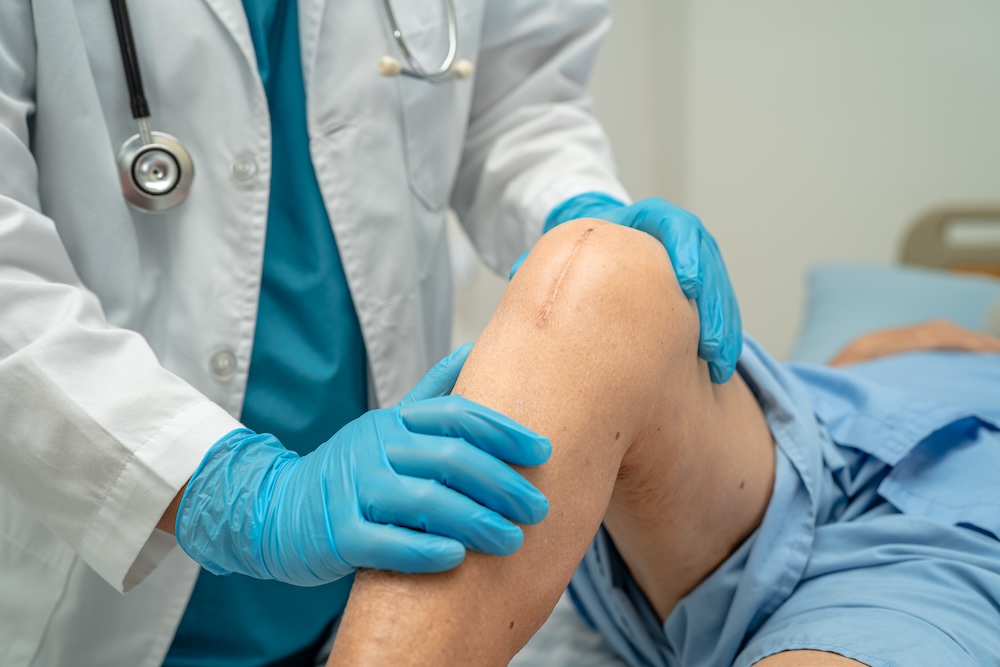
Researchers at Mayo Clinic have launched a survey to better understand how dentists across the country approach antibiotic prophylaxis and dental care for patients with hip and knee replacements.
The survey, which is available at mayoclinic.org/dentist, addresses antibiotic prophylaxis prior to dental treatments and the timing of dental procedures before and after total joint arthroplasty, particularly total hip arthroplasty and total knee arthroplasty.
The survey consists of 26 questions on dentists’ clinical experience, antibiotic-prescribing practices and decision-making in various surgical scenarios. It is anonymous, and dentists may skip questions. The deadline to respond is Sept. 15. Responses will be used or distributed by Mayo Clinic investigators for future research.
The American Dental Association offers evidence-based guidance on antibiotic use. In April, the ADA Council on Scientific Affairs published a position statement in The Journal of the American Dental Association addressing a clinical practice guideline from the American Academy of Orthopaedic Surgeons and American Association of Hip and Knee Surgeons on oral healthcare for patients with prosthetic joint replacements.
The guideline’s primary recommendations on antibiotic prophylaxis align with the ADA’s own 2014 clinical practice guideline on antibiotic prophylaxis for the prevention of prosthetic joint infection, which generally does not recommend routine antibiotics for patients with prosthetic joints.
However, the council stated it did not fully agree with the orthopedic guideline’s recommendation to delay “nonurgent” invasive dental procedures for three months. The ADA does not support any standard time frame for delaying dental care after joint replacement.
The ADA also created a chairside tool with a clinical flowchart to support shared decision-making for patients with joint replacements undergoing dental procedures.
For more information and resources from the ADA, visit ADA.org/prostheticjoints.
Mayo Clinic is conducting the survey independently.