Education Department finalizes student loan rule implementing 2025 law
ADA highlights potential impact on dental students as borrowing limits tighten
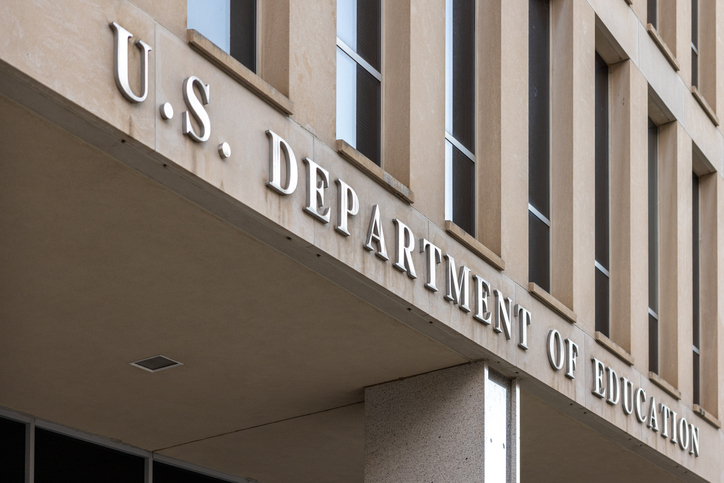
The U.S. Department of Education on April 30 released a final rule updating federal student loan regulations under Title IV of the Higher Education Act to implement changes enacted in the One Big Beautiful Bill Act.
The rule includes changes that have drawn attention from the dental education community. In March, 11 dental groups, including the ADA, urged the Education Department to phase in the changes rather than disrupt the current cycle of educational loans and other forms of student aid.
"Borrowers will need adequate time to understand these changes and make informed financial decisions," the groups wrote in a Mar. 2 letter. "Implementing reforms of this magnitude on a compressed timeline increases the likelihood of confusion, administrative errors and unintended consequences."
Most provisions are scheduled to take effect July 1, with certain repayment-related changes phased in through 2028.
In prior comments to the department, the ADA noted that many dental students rely heavily on federal loans and often graduate with significant debt, raising concerns that tighter federal borrowing limits could affect access to dental education and influence career decisions. The Association also cautioned that limiting federal loan options while eliminating the Graduate PLUS program could lead some students to turn to private loans, which can have higher interest rates and offer fewer borrower protections.
“To the extent the Department’s discretionary authority allows, we urge the Department to expand federal borrowing options, so students are not forced into less favorable commercial loans,” the ADA said in 2025.
The final rule sets new annual and lifetime borrowing limits for graduate and professional students and parents and phases out the Grad PLUS loan program, which previously allowed students to borrow up to the full cost of attendance. The department said the changes are designed to address “unchecked borrowing” and a “confusing maze of repayment options” in the current system.
The rule also overhauls repayment options, replacing existing income-contingent repayment plans with a new system that includes a tiered standard plan and a repayment assistance plan.
These regulatory changes implement provisions of the One Big Beautiful Bill Act, signed into law by President Donald Trump on July 4, 2025. Following a public hearing in August 2025, the department convened negotiated rulemaking committees that included higher education stakeholders, borrowers and taxpayer representatives, and later published a proposed rule on Jan. 30.
Department guidance accompanying the rule clarifies that Grad PLUS loans will generally be included in the new aggregate lifetime borrowing limit established by the law, unless a borrower qualifies for a specified interim exception.
“Grad PLUS loans that a borrower has received will be included in this new aggregate lifetime limit, unless the borrower qualifies for the interim exception discussed below, in which case they will continue to be subject to the former (preAct) limits during the interim exception period,” according to the department’s fact sheet.
Provisions related to loan rehabilitation, deferment and forbearance are set to take effect July 1, 2027, while the phaseout of certain existing repayment plans is scheduled to begin July 1, 2028.